

Sciatica Pain: Causes, Symptoms, Treatment and the Best Exercises | Limitless Physio Bronte
by Shannon Nutt

Sciatica is a type of lower back pain, and a common reason people visit our clinic in Bronte. Although the term “sciatica” is widely used, it is actually a non-specific description of pain running from the lower back into the buttock and down the leg. The more accurate medical term is lumbar radiculopathy - irritation or compression of a lumbar nerve root.
At Limitless Physio Bronte, we assess your entire spine, pelvis and lower limb to find the true cause of your symptoms and build a personalised plan to get you moving without pain.
What Is Sciatica?
“Sciatica” refers to pain that starts in the lower back or buttock and travels down the back or side of the leg. Symptoms may include:
sharp, aching or burning leg pain
numbness or tingling
weakness in the leg or foot
pain aggravated by sitting, bending, or lifting (APA, 2021)
In clinical terms, this is usually lumbar radiculopathy, where a nerve root in the lower back becomes irritated or compressed, usually L4/5, or L5/S1.

Common Causes
Sciatica symptoms can develop for several reasons. The most frequent causes include:
1. Disc irritation or disc bulge
A disc can press on or irritate a nearby nerve root.
2. Nerve inflammation
The nerve root becomes sensitised due to chemical irritation or swelling.
3. Spinal stenosis
Narrowing of the spinal canal or foramen can compress the nerve.
4. Movement or load-related factors
These often contribute to nerve root irritation:
prolonged sitting or slumped posture
underactive glutes or weak deep core muscles
sudden overload with lifting, bending or sport
pelvic torsion or hip stiffness
rib or thoracic spine dysfunction
foot posture issues affecting load transfer up the chain
Understanding the driver (not just the symptoms) is essential for effective treatment.
Is Sciatica Serious?
In most cases, no. Sciatica commonly improves with time, movement and physiotherapy. However, seek urgent medical review if you have:
rapidly worsening leg weakness
severe numbness
difficulty controlling bladder or bowel function
These may indicate a medical emergency.
How Is Sciatica Treated?
The most effective treatment for sciatica depends on your assessment findings.
However, first-line care (APA, 2021) includes:
education and reassurance
activity modification
a physiotherapy program focused on mobility, strength and gradual loading
Some people may need injections or even surgery if symptoms and signs persist despite conservative treatment. Ongoing physiotherapy remains essential for long-term strength and preventing recurrence.
What Will a Physio Do for Sciatica?
Clinical Assessment (not just imaging)
Imaging often shows disc bulges even in pain-free people, so it does not always explain symptoms (Dunsmuir, 2022).
A detailed clinical assessment is the most important tool for accurate diagnosis.
Taping and Offloading (first 5 days)
Helps reduce painful movements and calm irritated tissue.
Hands-On Physiotherapy
Used to settle symptoms and restore comfortable movement:
soft tissue release
joint mobilisation
dry needling
rib and pelvic corrections (if contributing)
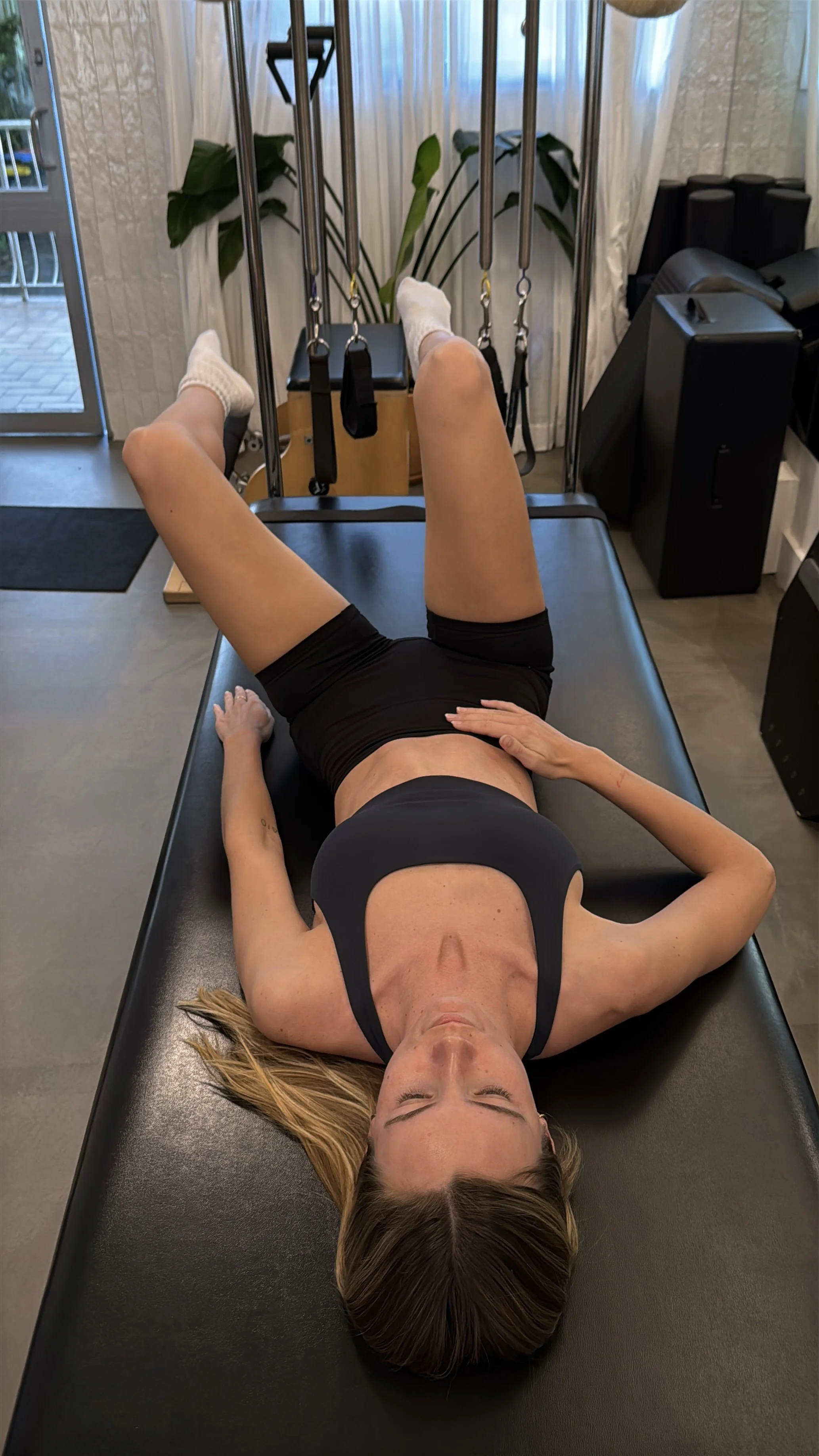
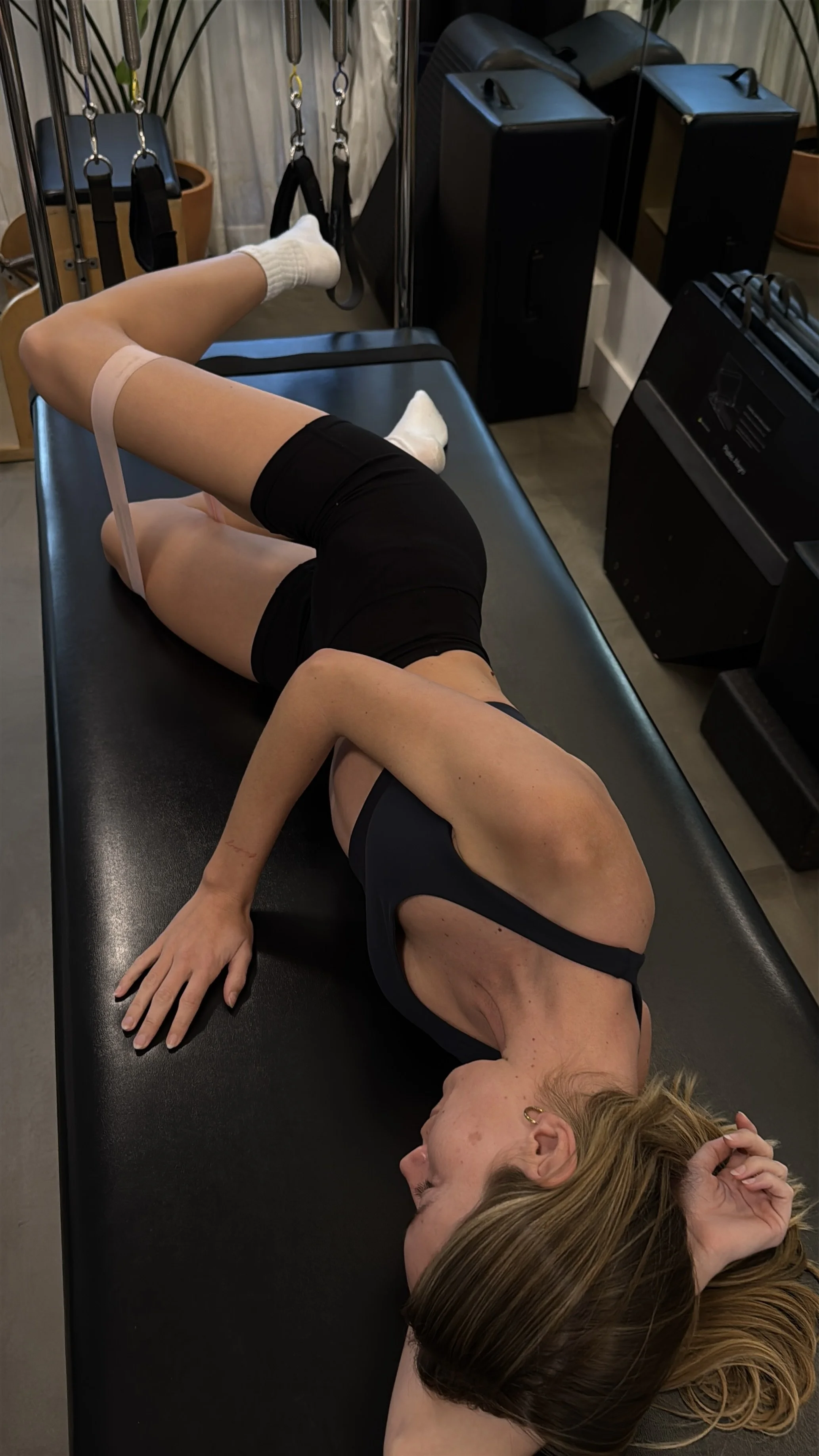
Individualised Exercise Program
Exercise is the cornerstone of sciatica recovery. This may include:
deep core activation
glute strengthening
pelvic stability work
neural mobilisation exercises
McKenzie extension-based movements (good evidence for pain reduction)
mobility for hips, thoracic spine or ribs
functional retraining (lifting, bending, squatting)
These exercises reduce pain, build resilience and prevent recurrence.

Sample 4-Week Sciatica Management Plan (General Guide)
Week 1: Reduce aggravating movements, start walking daily, gentle core and glute activation.
Week 2: Begin supervised strengthening 2–3× per week and add neural mobility exercises.
Week 3: Increase walking or low-impact cardio; progress to single-leg strength and functional tasks.
Week 4: Gradually reintroduce higher-load tasks or sport-specific movements.
Stop and seek review if symptoms worsen or if new neurological signs appear.
Some of the Best Exercises for Sciatica (Commonly Prescribed in Clinic)
1. Deep Core Activation with Single-Leg Extension
A gentle way to activate the deep stabilising muscles of the spine (transverse abdominis and multifidus).
You maintain a neutral spine while sliding one leg away, helping improve segmental control without aggravating symptoms.
2. Double-Leg Glute Bridge (Neutral Spine)
Strengthens the glutes and improves load transfer through the pelvis and lower back.
Keeping the spine neutral prevents excessive compression and helps reduce irritation of the lumbar nerve roots.
3. Nerve Flossing – Straight Leg Raise (SLR) Version
A controlled mobilisation of the sciatic nerve to improve its ability to glide.
This can reduce sensitivity and improve mobility when performed gently and consistently.
4. Four-Point Kneeling Single-Arm Lift (1kg Weight)
Builds core stability, shoulder control and cross-body motor coordination. This helps the spine tolerate everyday tasks like bending, reaching and lifting.
Every person receives a tailored home program based on their presentation, symptoms and goals. These are examples only; your physio will adjust the exercises and progressions to suit your specific type of lumbar radiculopathy.
When to See a Physio for Sciatica
Book a physiotherapy assessment if:
symptoms aren’t improving after a short period
pain affects sleep, work or walking
flare-ups keep occurring
your leg feels weak or numb
Timely treatment prevents chronic nerve irritation and speeds recovery.
Frequently Asked Questions (FAQs)
-
Many people improve within weeks, but recovery depends on load, movement habits and timely treatment.
-
Yes, if progressed too quickly. A graded program guided by a physio is safest (APA, 2021).
-
Usually no. Imaging is only needed if red flags are present or surgery is being considered (ACSQHC, 2022).
Need Local Physio Help in Bronte?
If sciatica is affecting your daily life, we can assess your spine, nerves and movement, then build a personalised rehabilitation plan.
Call (02) 8970 9166 or book online.
