

Pelvic Pain During Pregnancy
Pregnancy Physio Bronte
Understanding Pelvic Pain in Pregnancy
Pelvic pain during pregnancy is common, but it’s not something you have to put up with. It can have several causes, and getting the right diagnosis early makes a big difference in treating the symptoms.
Common Causes of Pelvic Pain Include:
Round Ligament Pain
As your belly grows, the ligaments stretch, which can sometimes cause sharp or aching pain on one or both sides of the lower tummy or groin.
Symphysis Pubis Dysfunction
Relaxed ligaments can make the pelvic joints unstable, leading to pain or clicking around the front of the pelvis around the pubic bone and groin.
Braxton Hicks Contractions
“Practice” contractions can tighten the lower abdomen and feel uncomfortable but usually don’t cause any pain.
Miscarriage / Ectopic Pregnancy
Pelvic pain with bleeding or spotting. Also needs immediate medical attention.
Pelvic Girdle Pain
Pain around the pelvis, lower back, hips or groin. The pain often worsens with unilateral movement such as standing on one leg. This condition is what this blog will be focussing on.
Urinary Tract Infection
Causes burning when urinating, pelvic pain and frequent urges to urinate. If you suspect you have a UTI, please see your GP promptly.
Preterm Labour
Pelvic pain with contractions, back pain or fluid loss before 37 weeks. This needs immediate medical attention.
So now we will focus on the most common MSK condition above; Pelvic Girdle Pain. If you are unsure about any of the other points above, please contact your GP or our Women’s Health Specialist Jess Teeger.
Pregnancy-Related Pelvic Girdle Pain (PrPGP)
Pregnancy-related pelvic girdle pain is one of the most common and manageable causes of pelvic pain. We see it very often in our musculoskeletal clinic here in Bronte. Physiotherapy can properly diagnose you, identify key triggers of your pain, provide education in what will help and give you safe exercises and strategies to stay comfortable throughout pregnancy.
Pregnancy-Related Pelvic Girdle Pain (PrPGP)
How We Assess Pelvic Girdle Pain at Limitless Physio Bronte
At your first appointment, Jess Teeger, our Women’s Health Physiotherapist, will:
Take a full history of your pregnancy, past history and current symptoms
Assess your lumbar spine and pelvic movement, motor control and muscle strength
Check your pelvic floor if appropriate
Provide a clear diagnosis and tailored treatment plan
Fit you with supports such as a pelvic belt, SRC shorts or kinesio tape if needed
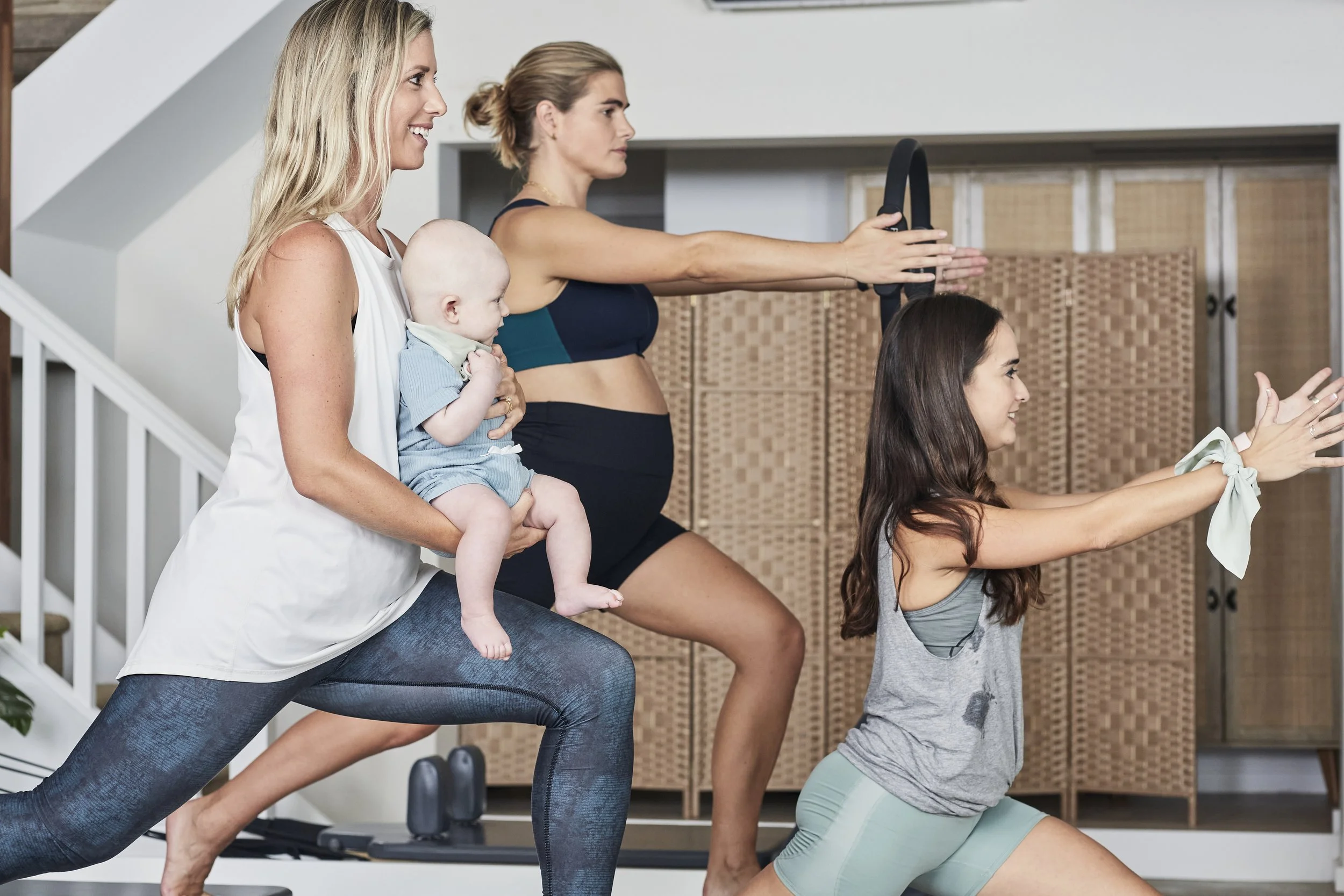
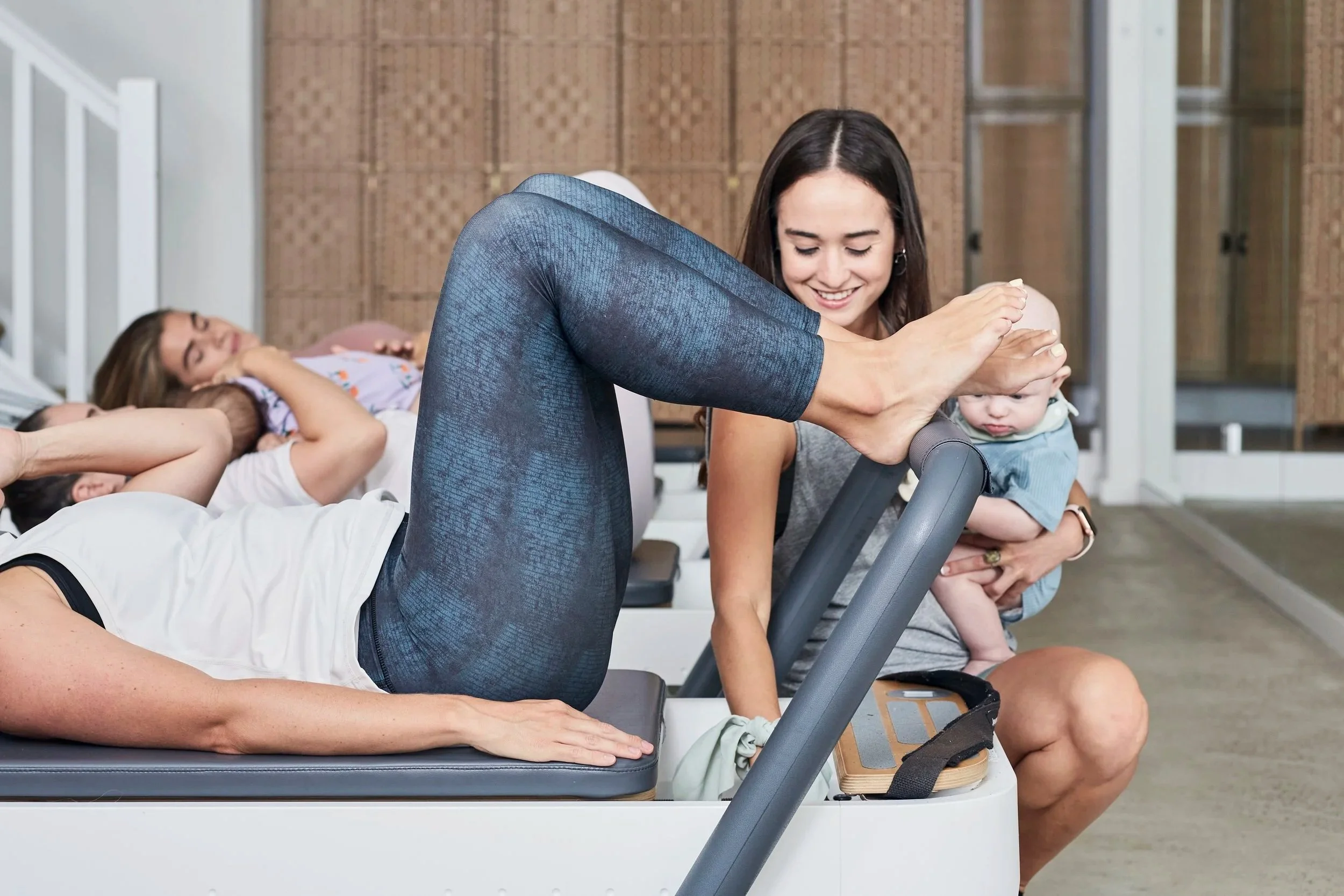
Likely recommend our Mums, Bubs & Bumps Pilates classes which are physio-led and pregnancy-safe
Work closely with your midwife or obstetrician
Safe Exercises for Pelvic Girdle Pain
-
Pelvic Floor Awareness and Breathing
Focus on gentle contraction and release.
-
Deep Core Activation with Heel Slides
Draw the belly button to the spine as you slide one heel out and back.
-
Glute Activation
Small leg lifts on all fours or side-lying.
-
Supported Bridges
Lift hips in a small range while squeezing a towel or ball between the knees.
-
Side-lying Clams
Use a light resistance band to strengthen and stabilise the pelvis.
Everyday Tips to Reduce Pelvic Pain
Wear low-heeled, supportive shoes.
Temporarily avoid standing on one leg or standing for long periods.
Don’t sit with your legs crossed or twist through a wide stance e.g. when getting out of the car.
Sleep with a small pillow between your knees for optimal pelvic alignment.
Book a Pregnancy Physio Appointment in Bronte today
📞 Call us on (02) 8970 9166 or book online.
Frequently Asked Questions (FAQs)
-
It’s common, but not something you have to tolerate. It normally gets worse throughout pregnancy, so it’s good to get on top of early. Physiotherapy can relieve pain and improve your comfort.
-
It is estimated that 33% - 50% of pregnant women report PGP before 20 weeks, and 60% - 70 % report PGP by late pregnancy (Clinton et al., 2017). Most commonly, PGP presents between 14 and 30 weeks, with its intensity and severity worsening as the weeks progress.
-
Not normally. But exercise during pregnancy can make labour easier and recovery smoother.
-
Yes. Clinical Pilates with a physio focuses on control, stability and deep core strength is one of the main treatments prescribed for reducing pelvic pain.
-
Most women recover well after delivery, though some may have mild discomfort postpartum. If pain continues, physiotherapy can help to strengthen the muscles around the pelvis.
-
No referral is needed. If you’d like us to coordinate care with your GP or obstetrician, we’re happy to.