

Best Exercises for Pelvic Girdle Pain in Pregnancy | Pregnancy Physio Bronte
by Shannon Nutt
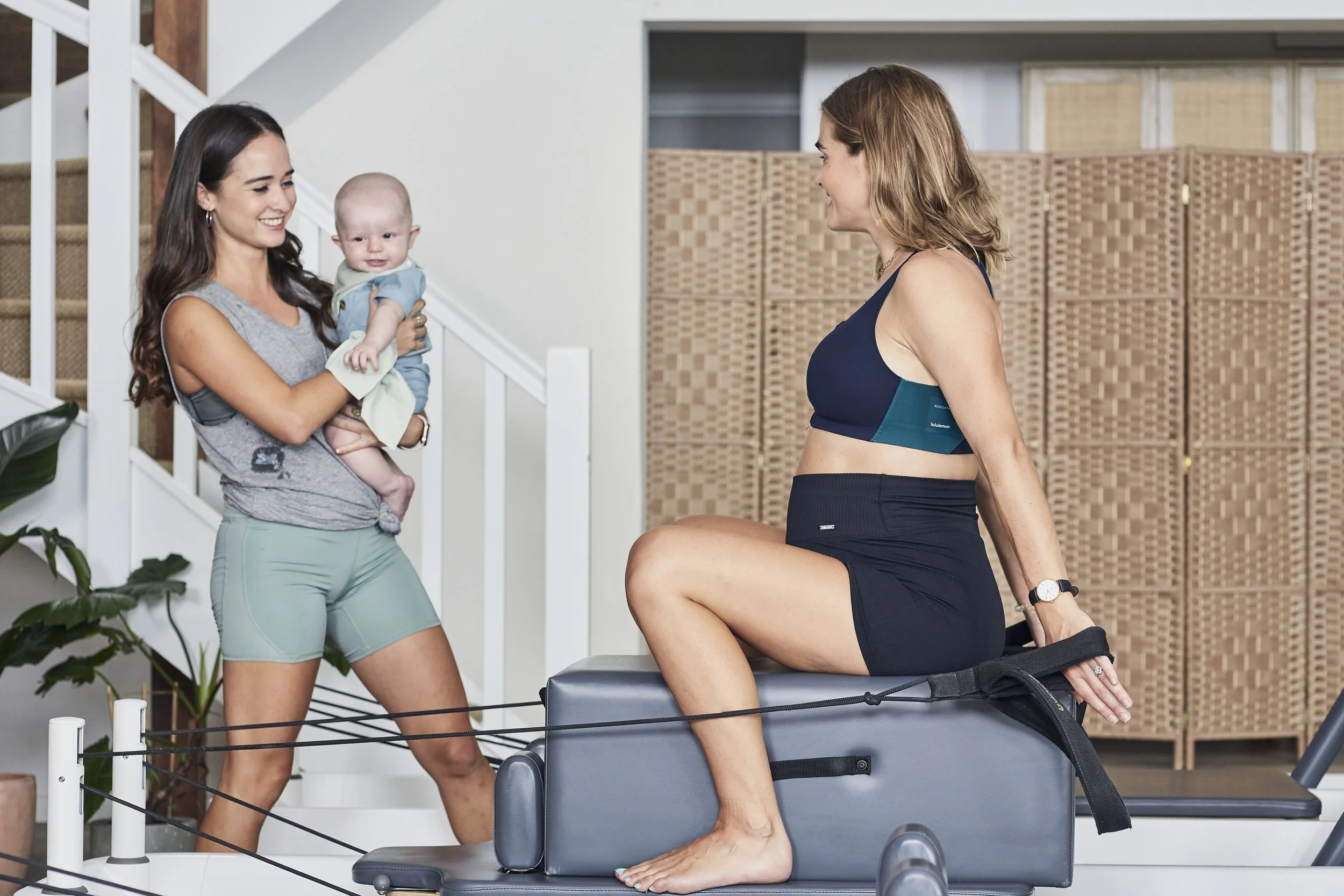
Pelvic girdle pain is common during pregnancy, but the right exercises can make a huge difference. Targeted strengthening to the deep muscles around your pelvis and lower back helps support your growing belly, reduce pain and keep you moving comfortably throughout your pregnancy.
This guide from Limitless Physio Bronte explains how simple exercises can ease pelvic girdle pain and help you feel more stable and confident. These are some of the exercises we may give you in an initial assessment.
Why Exercise Helps Pelvic Girdle Pain
Exercise is one of the most effective ways to manage pelvic pain during pregnancy. It works by:
Strengthening your deep core and glutes to support your pelvis and balance movement
Improving posture and body control
Preparing your body for labour and recovery after birth
You don’t need long or intense workouts, focus on consistency, control and good technique.
How Often Should You Exercise?
Aim for exercises 3-4 times per week.
Keep movements small and pain-free. If your pain increases, stop and check with your physiotherapist or healthcare provider.
Best Exercises for Pelvic Girdle Pain During Pregnancy
-
Why: Activates your deep core muscle to support the lower back and pelvis.
How:Lie on your back with knees bent and feet flat.
Take a gentle breath in. As you breathe out, lightly draw your lower belly button towards your spine (like you are zipping up a tight pair of jeans).
Keep your ribs relaxed and don’t hold your breath.
Hold for 5–8 seconds, then relax.
Repeat: 10 reps, 2–3 sets.
-
Why: Builds pelvic and core stability for everyday movement.
How:Lie on your back with knees bent, core gently engaged as above (bring your belly button to your spine).
Slowly slide one heel away from you until your leg is straight.
Keep your pelvis still (don’t rock side to side) and your tummy lightly drawn in.
Slide back and repeat on the other leg.
Repeat: 8–10 each side, 2–3 sets.
-
Why: Strengthens glutes and deep core muscles while keeping the pelvis supported.
How:Lie on your back with knees bent and a small rolled-up towel between your knees.
Gently squeeze the towel.
Engage your core and lift hips slightly (avoid arching or overextending).
Pause, then lower slowly. You should feel your glutes activate, but nothing through your lower back.
Repeat: 10–12 reps, 2 sets.
-
Why: Improves core strength and stability.
How:Start on hands and knees, spine neutral (think about having a cup of water balanced on your lower back).
Draw your belly in to activate your core.
Lift one arm forward to shoulder height, keeping your hips and shoulders level.
Lower and repeat on the other side.
Repeat: 8 each side, 2 sets.
Progression: Try lifting the opposite leg, or one arm and opposite leg together (bird-dog). -
Why: Strengthens glutes and deep hip stabilisers.
How:Lie on your side with knees bent and a light resistance band above your knees.
Keep feet together, heels pressing together, and spiral your top knee up while keeping hips stacked. You should feel this through your top glute.
Lower with control. The slower the better!
Repeat: 12–15 reps each side, 2 sets.
-
Why: Helps release tight hip and glute muscles that can pull on the pelvis.
How:Sit or lean against a wall with a massage ball under one glute.
Gently roll over tight spots or hold pressure for 20–30 seconds.
Avoid lying flat on your back if you’re >2nd trimester.
Time: 1–2 minutes each side.
Extra Tips for Managing Pelvic Pain
Avoid deep lunges or single-leg movements that load one side of the pelvis.
Keep your steps short and movements controlled.
Use pillows between your knees and under your belly when sleeping.
Wear supportive, low-heeled shoes.
Consider physio-led pregnancy Pilates for safe, guided exercise.
When to See a Physiotherapist
If your pelvic pain is sharp, significantly limits your walking, or is really interfering with your daily life, book an assessment.
At Limitless Physio Bronte, our physiotherapists specialise in pregnancy-safe exercises and gentle hands-on treatment for pelvic girdle pain. We’ll tailor a plan to your pregnancy stage and help you move with confidence again.
Book a Pregnancy Physio Appointment in Bronte
Call (02) 8970 9166 or book online.
