by Shannon Nutt
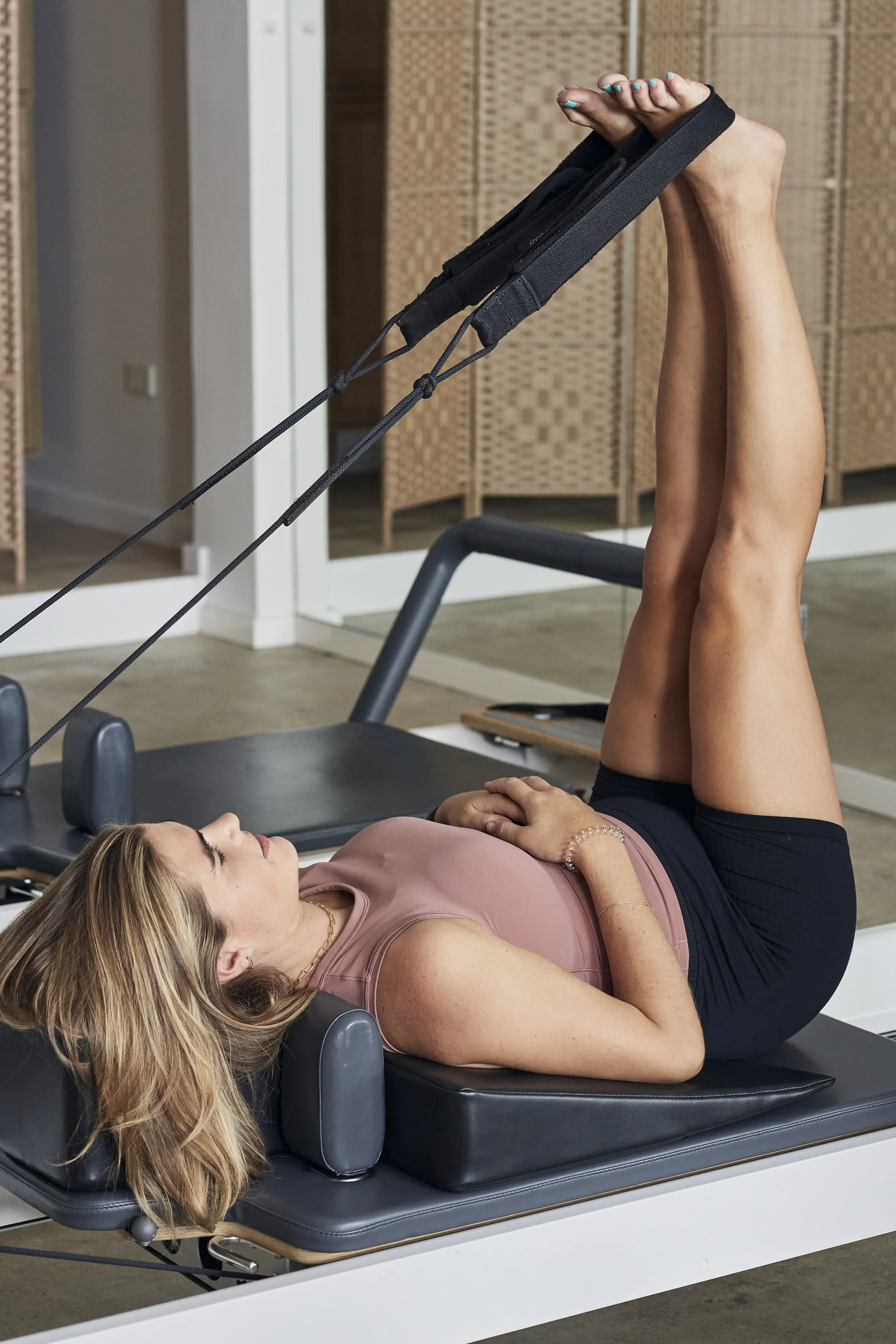
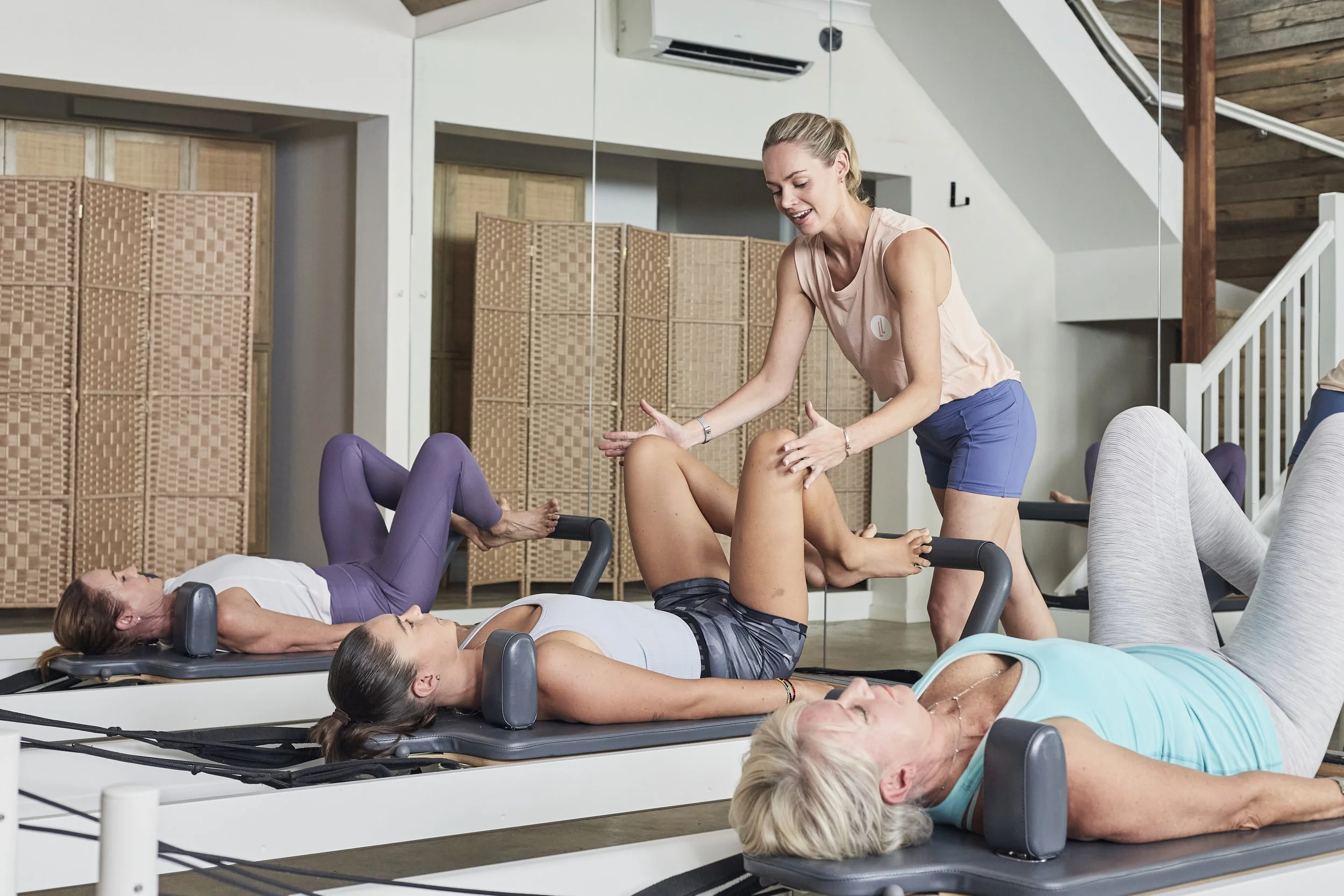
Yes. Reformer pilates is resistance training that builds strength, control and endurance. Reformer pilates requires pushing against springs in various positions, the use of dumbbells for the upper body, and multiple different props that also create resistance. These springs/dumbbells/props can be increased to provide progressive resistance, so you can increase load overtime, just like you would at the gym.
What Makes Reformer Pilates a Resistance Workout?
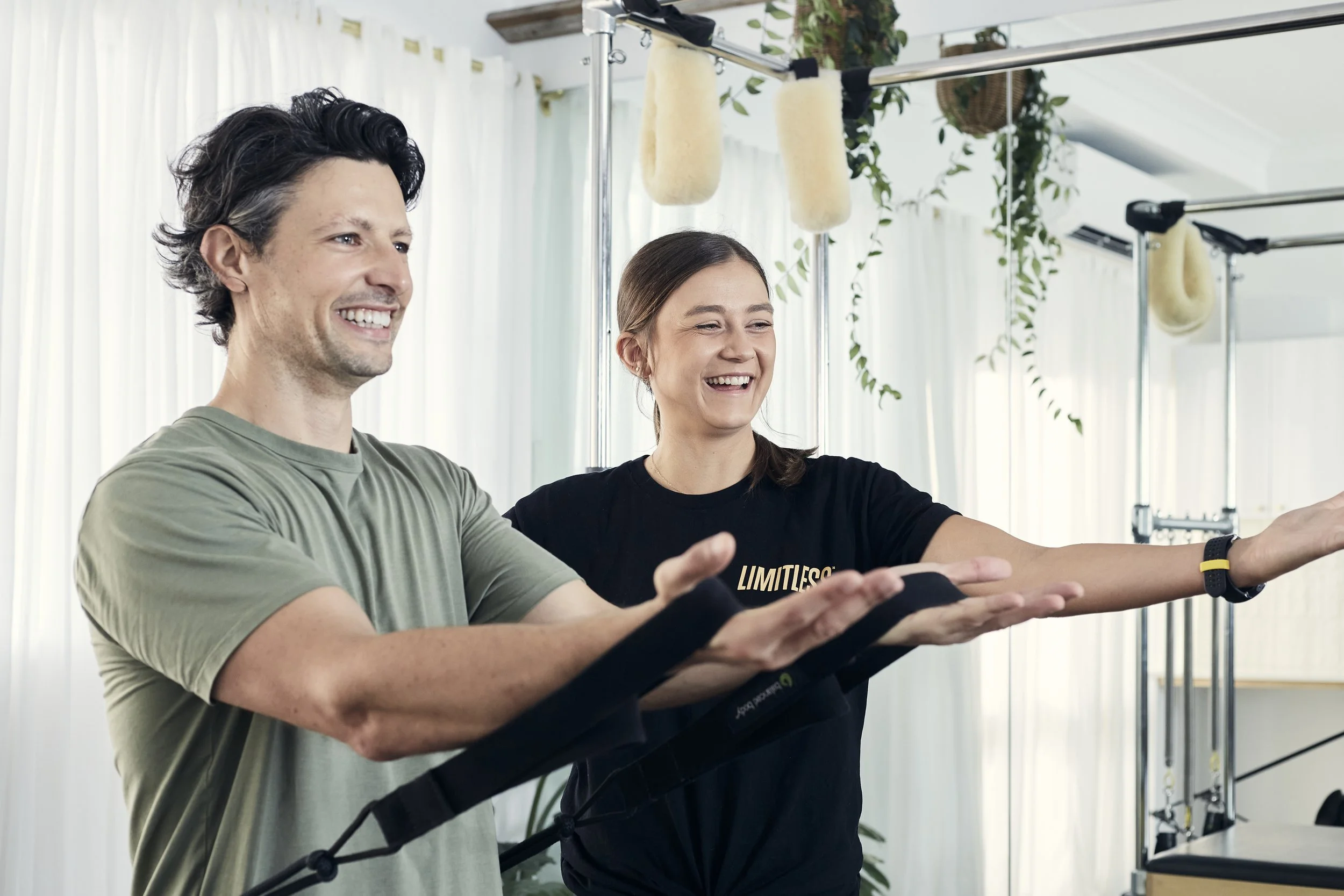
A typical reformer machine uses:
5 springs and 2 straps
Your own body weight
Optional dumbbells (often 2-4kg for the upper body)
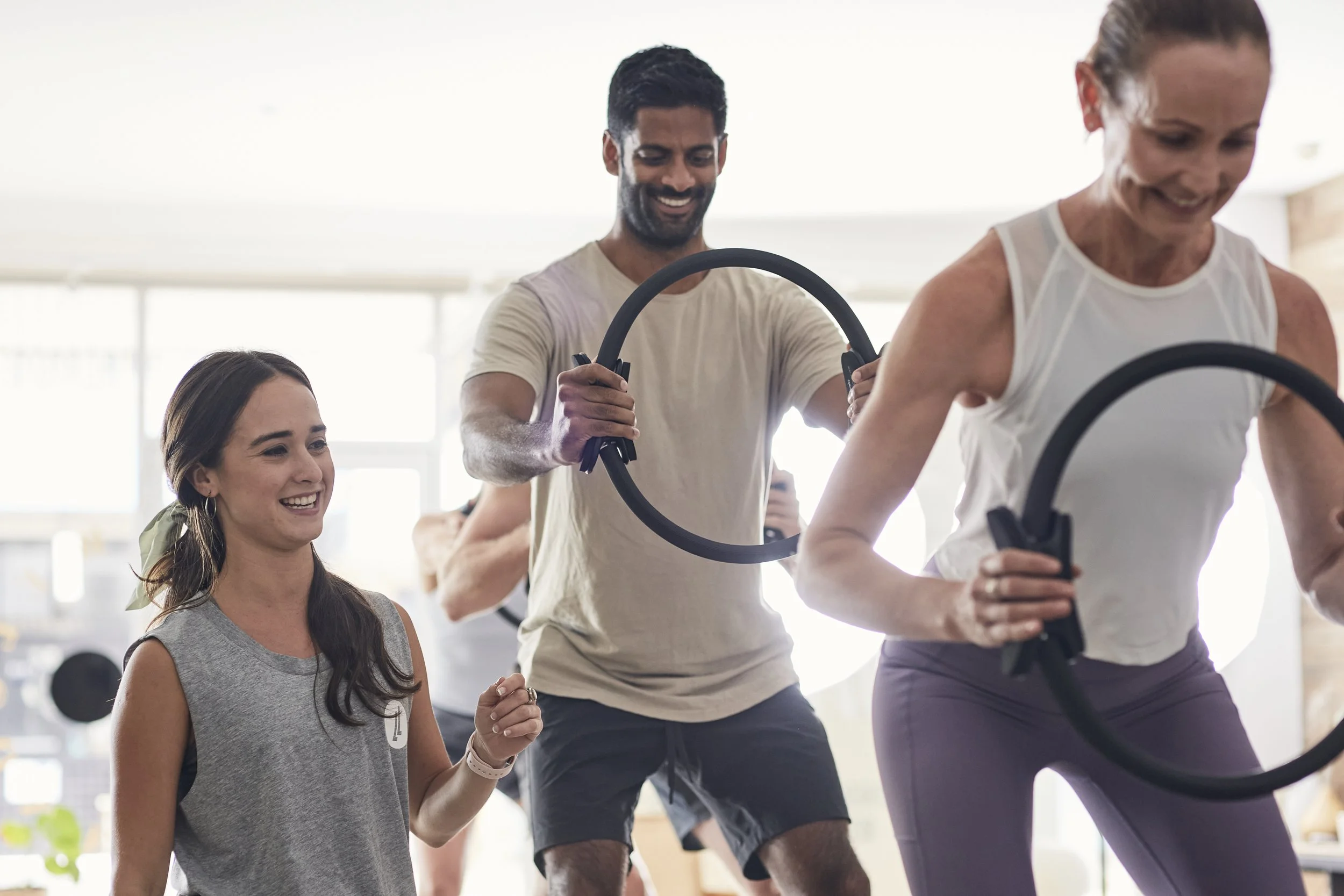
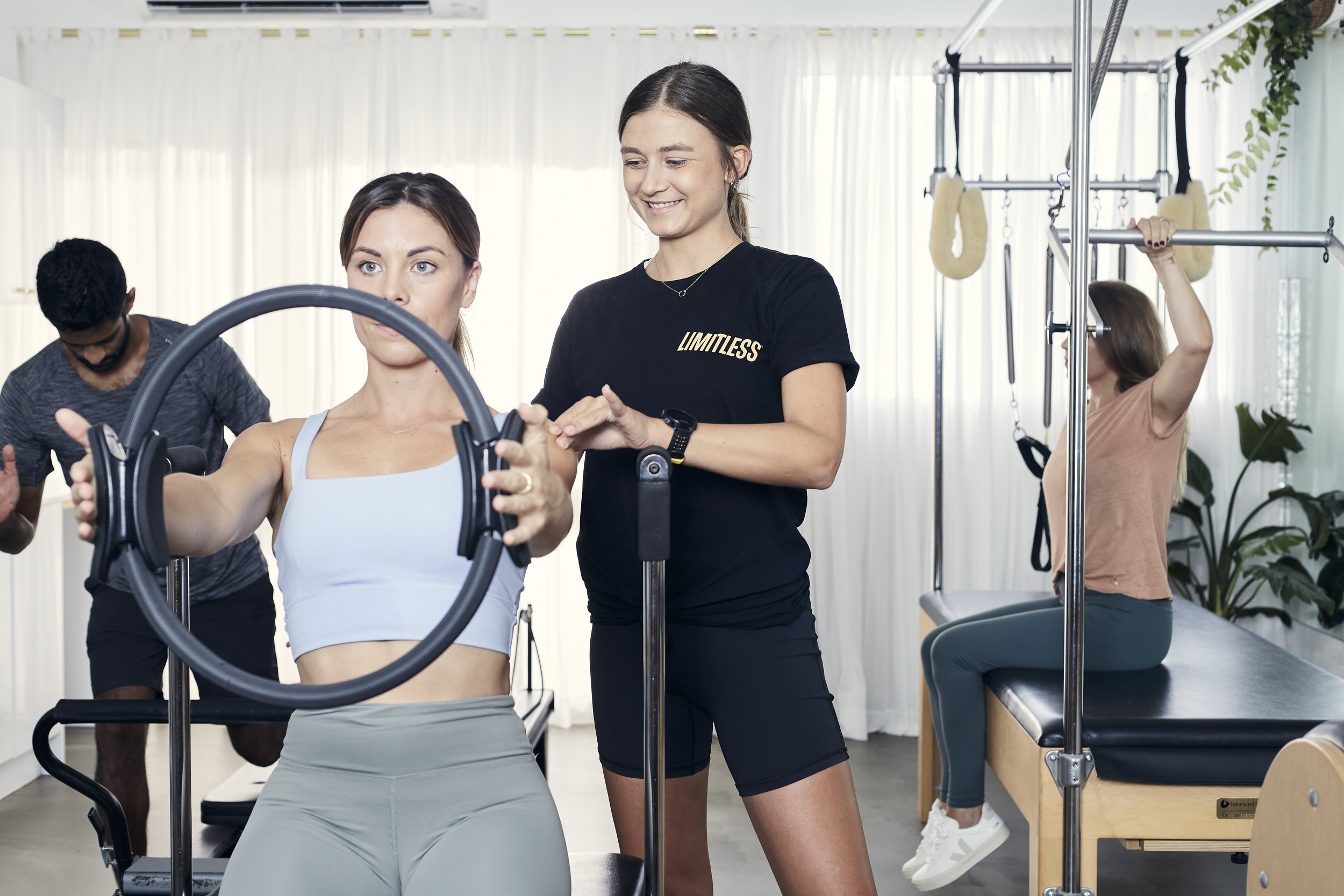
Props like the Magic Circle or Weighted Balls
How it works:
You push, pull, or stabilise against resistance, engaging muscles to adapt.
Exercises focus on control, lengthened movement, and coordinated strength, particularly through the core, glutes and stabilisers.
Example comparisons:
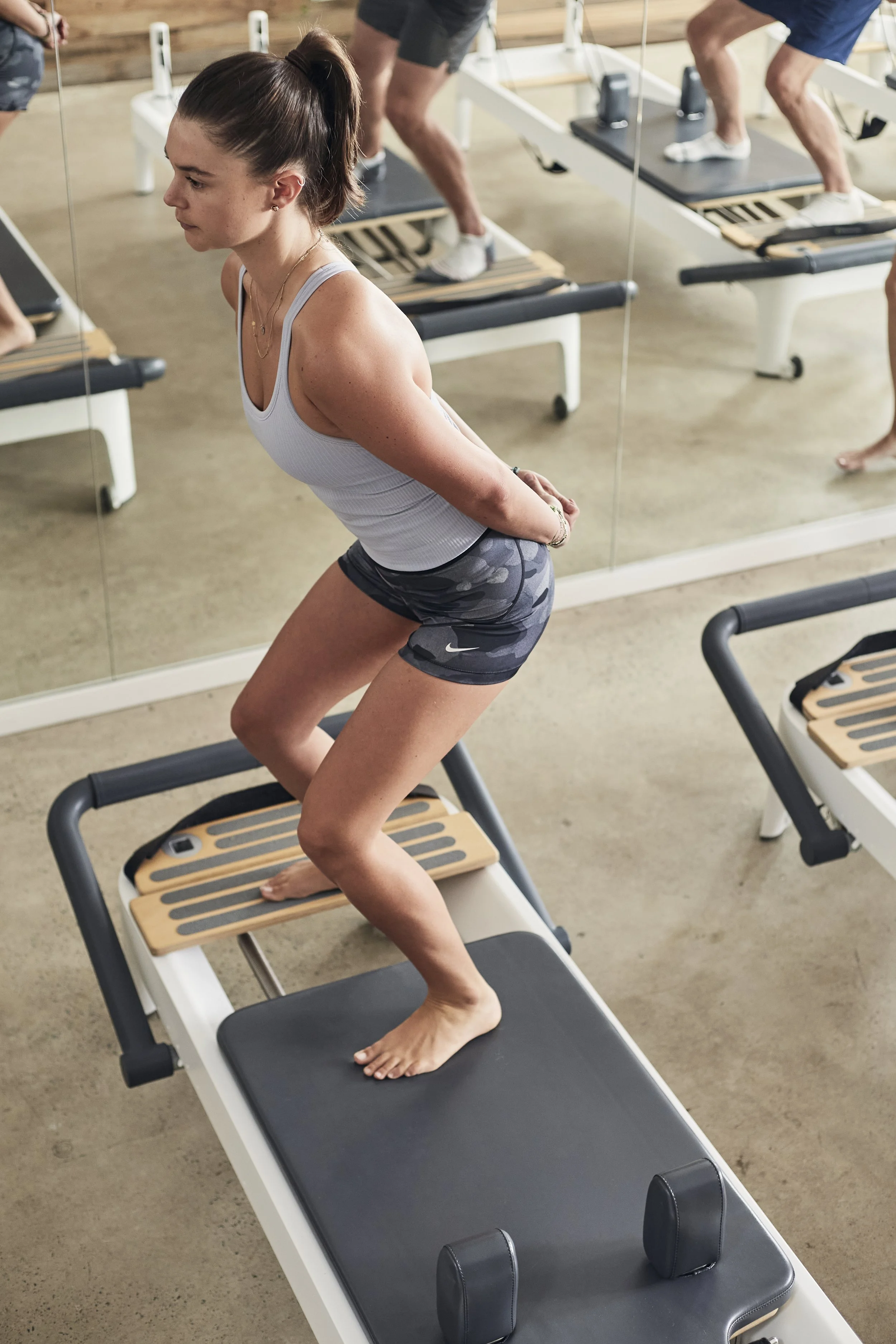
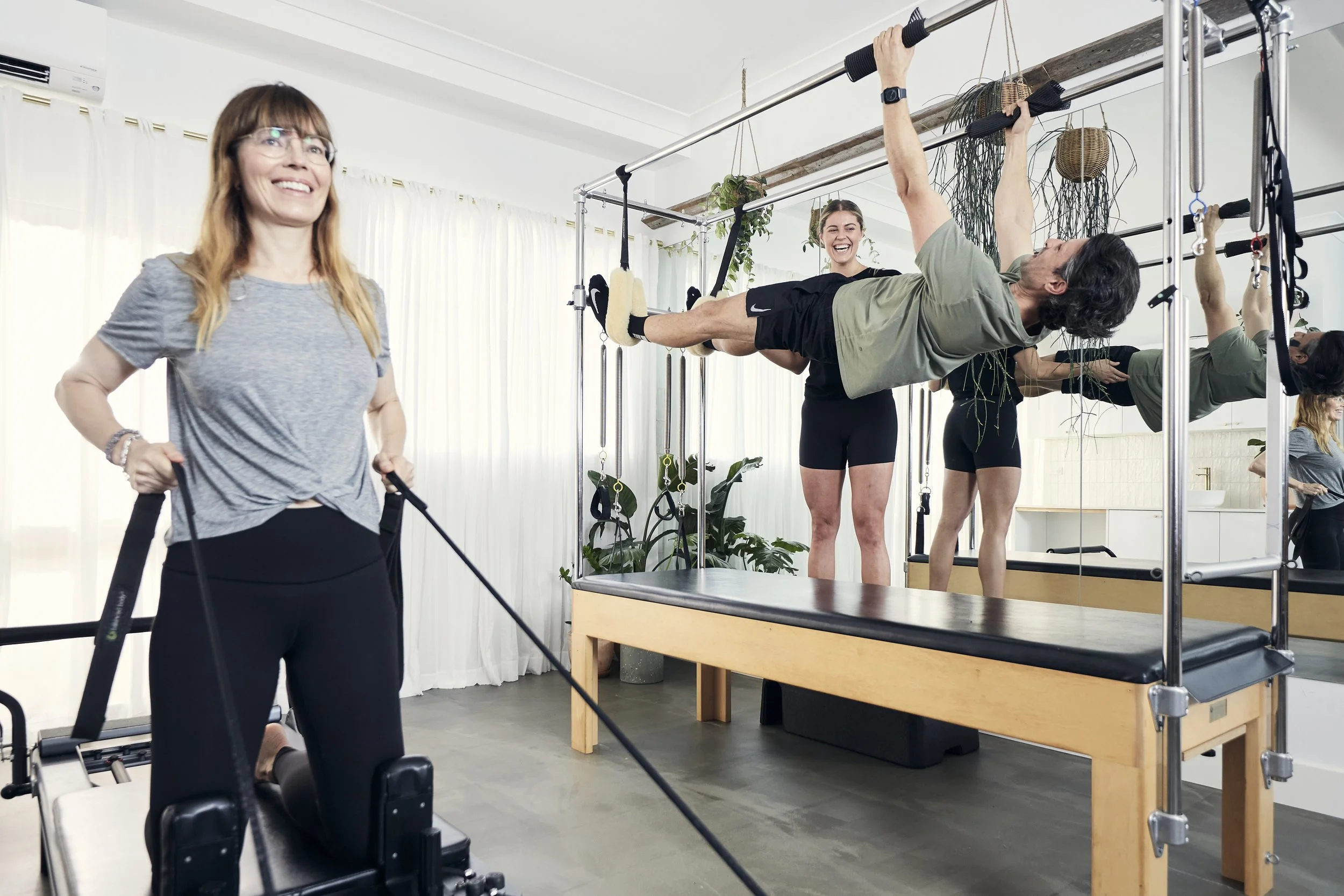
Footwork series = similar to a leg press at the gym.
High kneeling upper back rows = similar to rows at the gym.
Key Points:
Resistance is adjustable via spring settings - increase springs to challenge yourself.
Movements can be slow and controlled for endurance or faster/explosive for power (e.g., using the jump board).
Trains both prime movers and deep stabilisers, improving functional strength.
Reformer Pilates vs Traditional Strength Training
Both approaches build strength, but they have different emphases.
-
Reformer Pilates: Controlled full-range movement, muscular coordination, core and stabiliser strength
Traditional Resistance Training (Weights): Maximal strength and hypertrophy (muscle growth)
-
Reformer Pilates: Adjustable springs, bodyweight, light dumbbells
Weights: Heavy loads with progressive overload
-
Reformer Pilates: Low impact, suitable for rehab and chronic injuries
Weights: Can be higher impact, depends on the exercise e.g. HIIT
-
Reformer Pilates: Functional strength, posture, balance, rehabilitation
Weights: Maximal strength, hypertrophy, measurable load gains
-
Reformer Pilates: A Pilates training program focussed on older women found that pilates was more effective for improving isometric hip and trunk extension strength compared to general muscle training (Carrasco-Poyatos, 2019).
A study of overweight women found reformer Pilates improves body composition, increases muscle strength and endurance (Gökalp, 2025). Therefore it is a good option for weight loss.
Weights: Increases maximal strength and muscle fibre CSA (Schoenfeld et al., 2017)
Summary:
Reformer Pilates is excellent for improving movement quality, posture, and functional strength, and is safe for people recovering from injury.
Traditional gym training is best for building maximal strength and muscle hypertrophy, where heavier loads and progressive overload are key.
Best Approach: Combine them! Use Reformer Pilates for core control, stabilisation and injury prevention, then add targeted weight training for heavier load and faster strength gains.
How to Use Reformer Pilates for Strength Gains
Progress the resistance. Increase the spring tension or add challenging variations before changing the type of exercise.
Focus on controlled repetitions. Aim for 8-15 reps per set depending on your goal. For strength, use fewer reps with higher resistance; for endurance, more reps with lighter resistance.
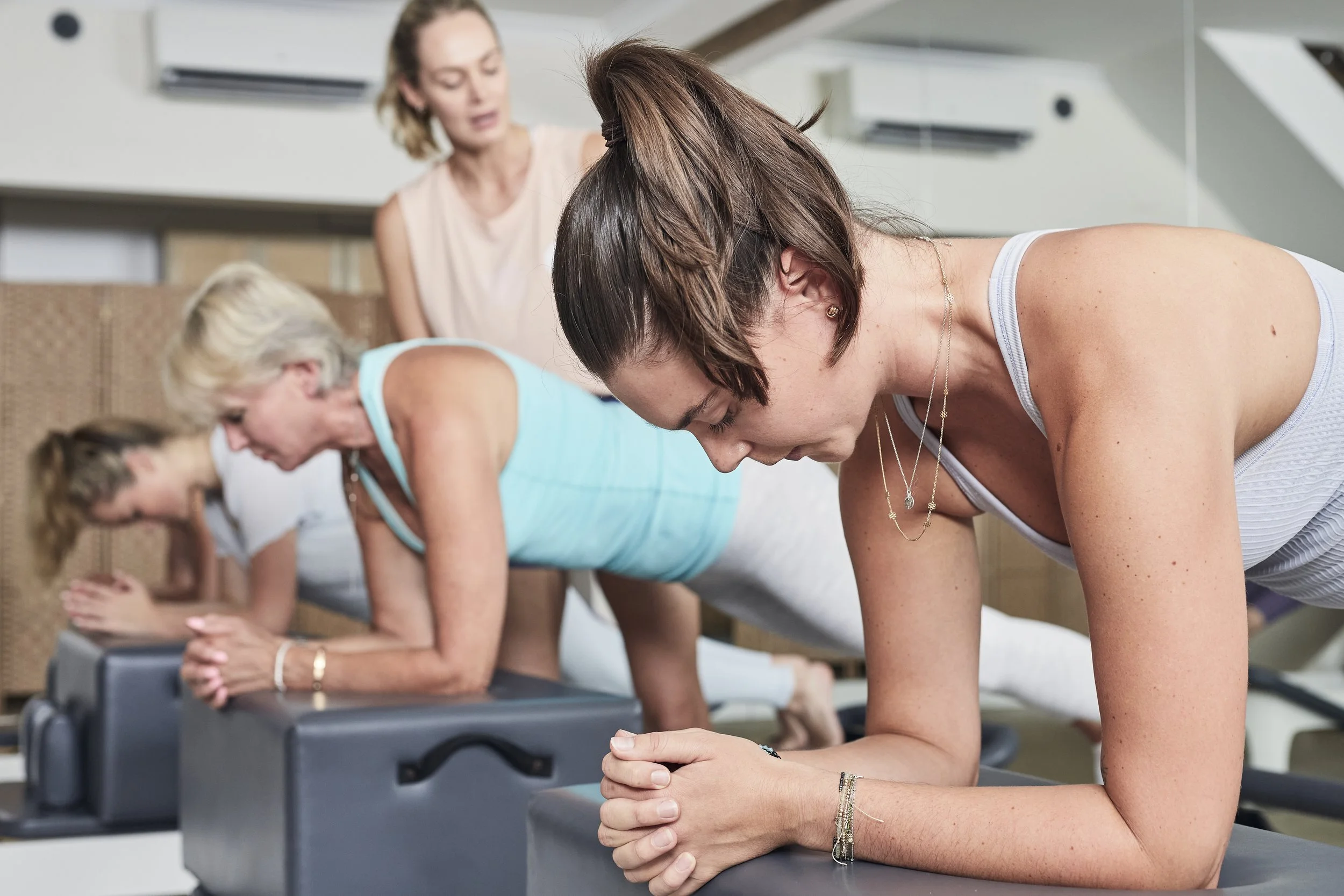
Prioritise compound movements. Exercises that involve multiple joints working at the same time, e.g. legs, hips and core all together. These give the biggest carryover to everyday activity.
Train 2-4 times a week. Consistency matters. Alternate heavier reformer sessions with lighter mobility or Pilates mat work.
Combine with weights. If you want faster hypertrophy or to build maximal strength. A blended program often gives the best functional and aesthetic results.
Who Can Benefit the Most?
Runners and athletes: Improve hip and core control.
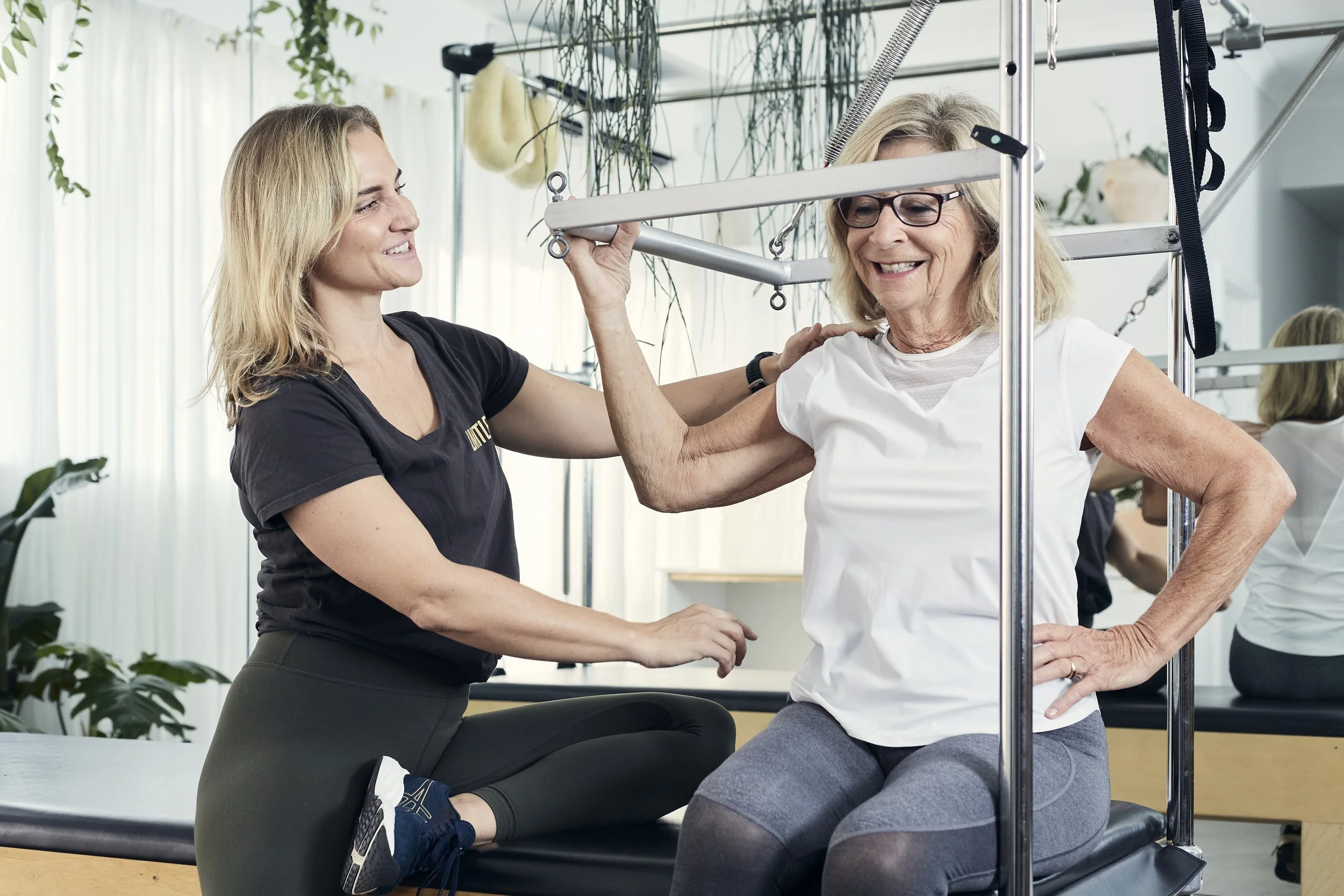
People recovering from injury: Progressive, low-impact load via Clinical Pilates.
Anyone wanting full-body strength: Improves movement quality, posture and can support weight management.
Pregnant or postnatal clients: Safe progressive resistance under guidance.
Reformer Pilates VS Clinical Pilates at Limitless
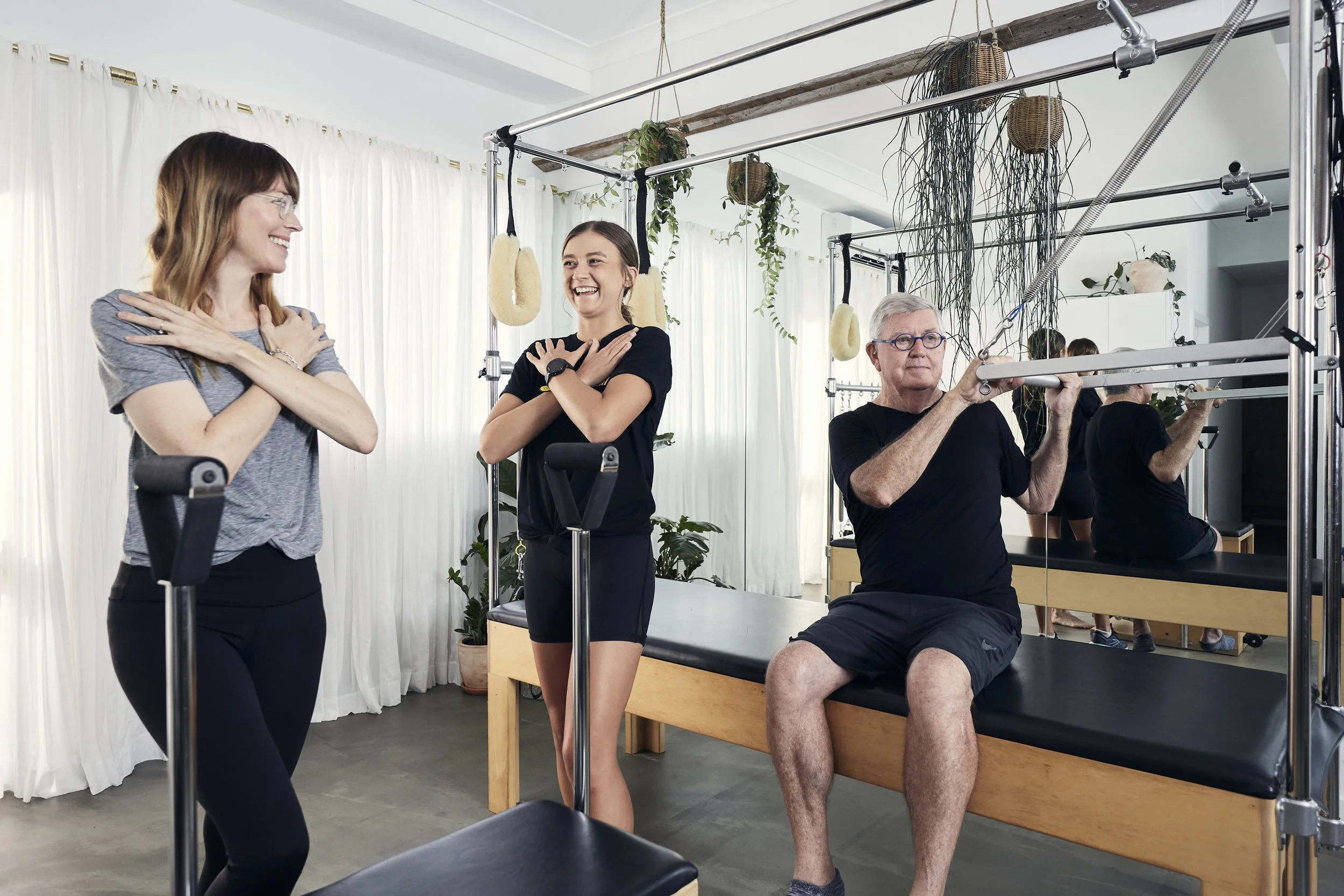
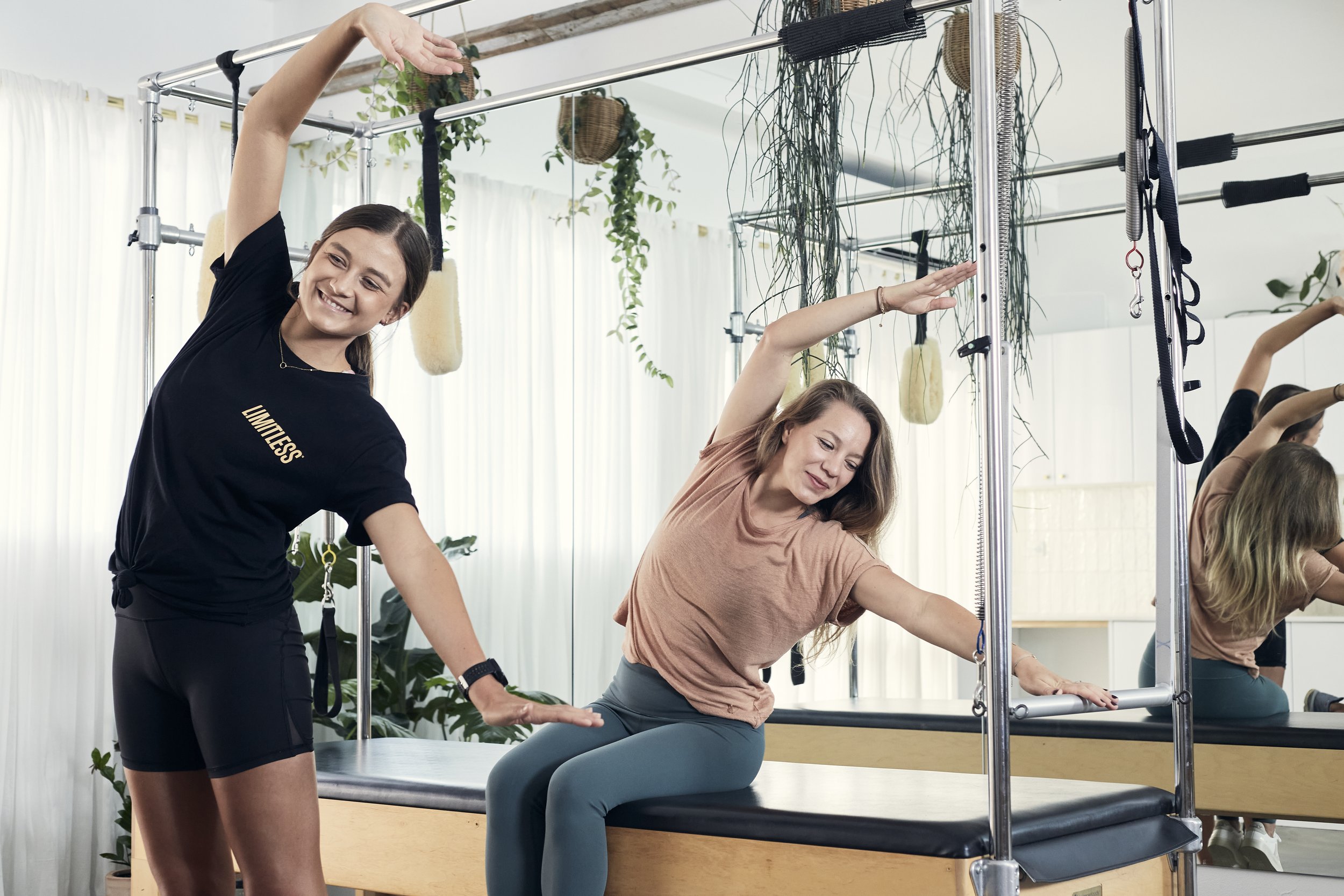
At Limitless, both Clinical Pilates and Reformer Pilates use the reformer, but the way each session is delivered is very different.
-
Clinical Pilates
In Studio 1
Reformer Pilates
In the reformer space in Studio 2
-
Clinical Pilates
Private, duo or quattro
Reformer Pilates
Group of 5
-
Clinical Pilates
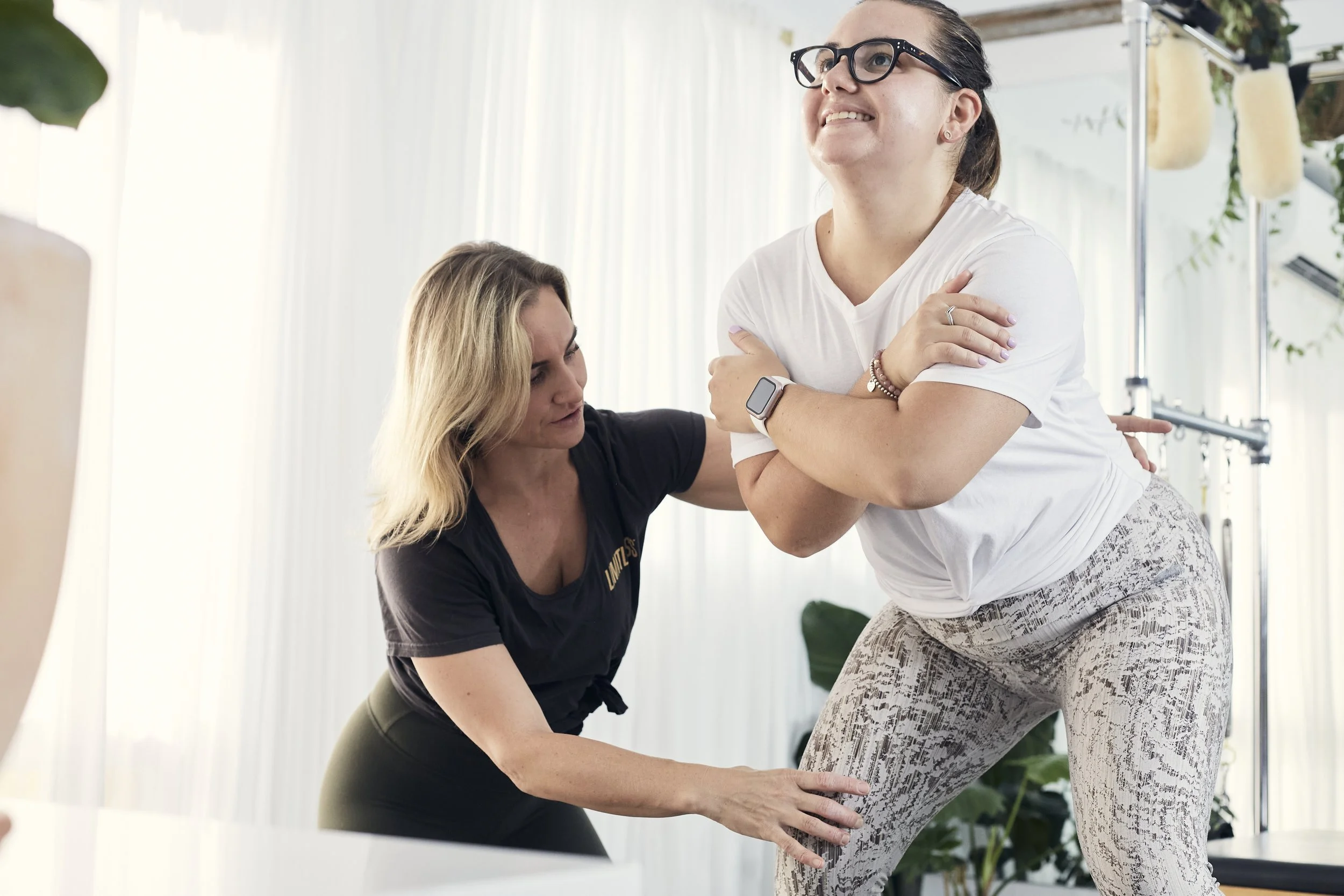
Fully individualised program designed by your physio
Reformer Pilates
Set class plan, not individualised
-
Clinical Pilates
Rehab, pain management, movement correction, gradual strength building
Reformer Pilates
Whole-body strengthening and mobility
-
Clinical Pilates
Physiotherapists
Reformer Pilates
Pilates instructors
-
Clinical Pilates
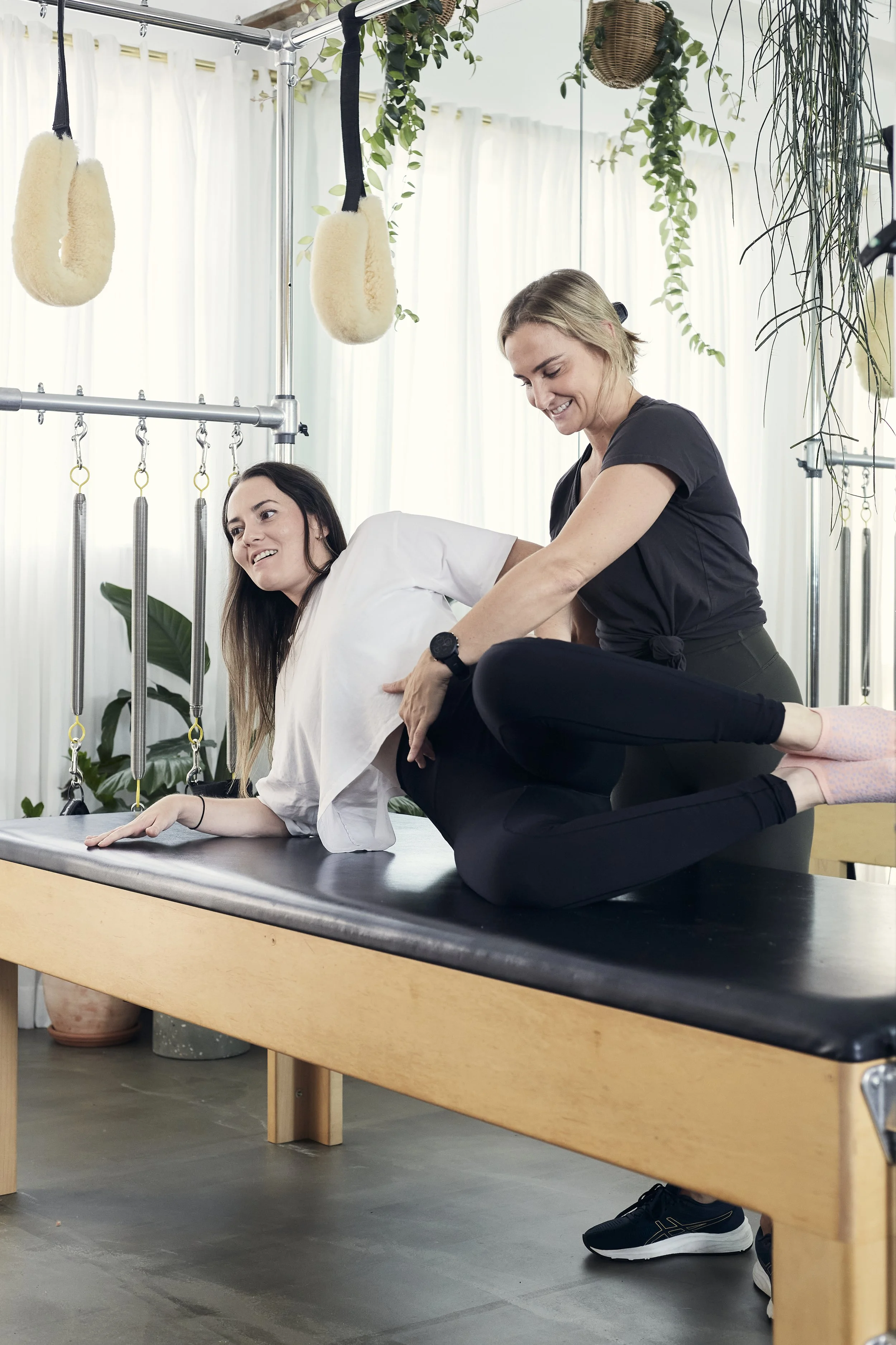
Reformer plus additional studio equipment like the Cadillac or Chair
Reformer Pilates
Reformer only
-
Clinical Pilates
Yes
Reformer Pilates
Yes
-
Clinical Pilates
People recovering from injury, persistent pain, or needing extra guidance
Reformer Pilates
People wanting a group workout, to improve body awareness and strength
Frequently Asked Questions (FAQs)
1. Is reformer pilates good for building muscle?
Yes. Reformer pilates builds muscle tone and strength, particularly in the core, glutes and stabilisers.
2. Can reformer pilates replace the gym?
It can for some people. It really depends on what you will enjoy the most and be consistent with. If you want significant increases in maximal strength, combining reformer with targeted weight training is ideal.
3. How often should I do reformer pilates to see results?
Aim for 2-4 sessions a week depending on your goals. Consistency and progressive resistance is the key to any gains.
4. Is reformer safe after injury?
Often yes, however some exercises may not be appropriate during this rehab time. Always work with a physiotherapist who can guide you through what exercises are safe.
Want to try it in Bronte?
At Limitless Physio Bronte, we run both Clinical Pilates and Reformer Pilates, so there’s always an option that suits your goals, fitness level, and any rehab needs. Both approaches use resistance and strength training principles to help you move better, feel stronger and improve functional performance.
Book online or call us on (02) 8970 9166.
Author:
Shannon Nutt
Physiotherapist, Limitless Physio Bronte