

by Shannon Nutt
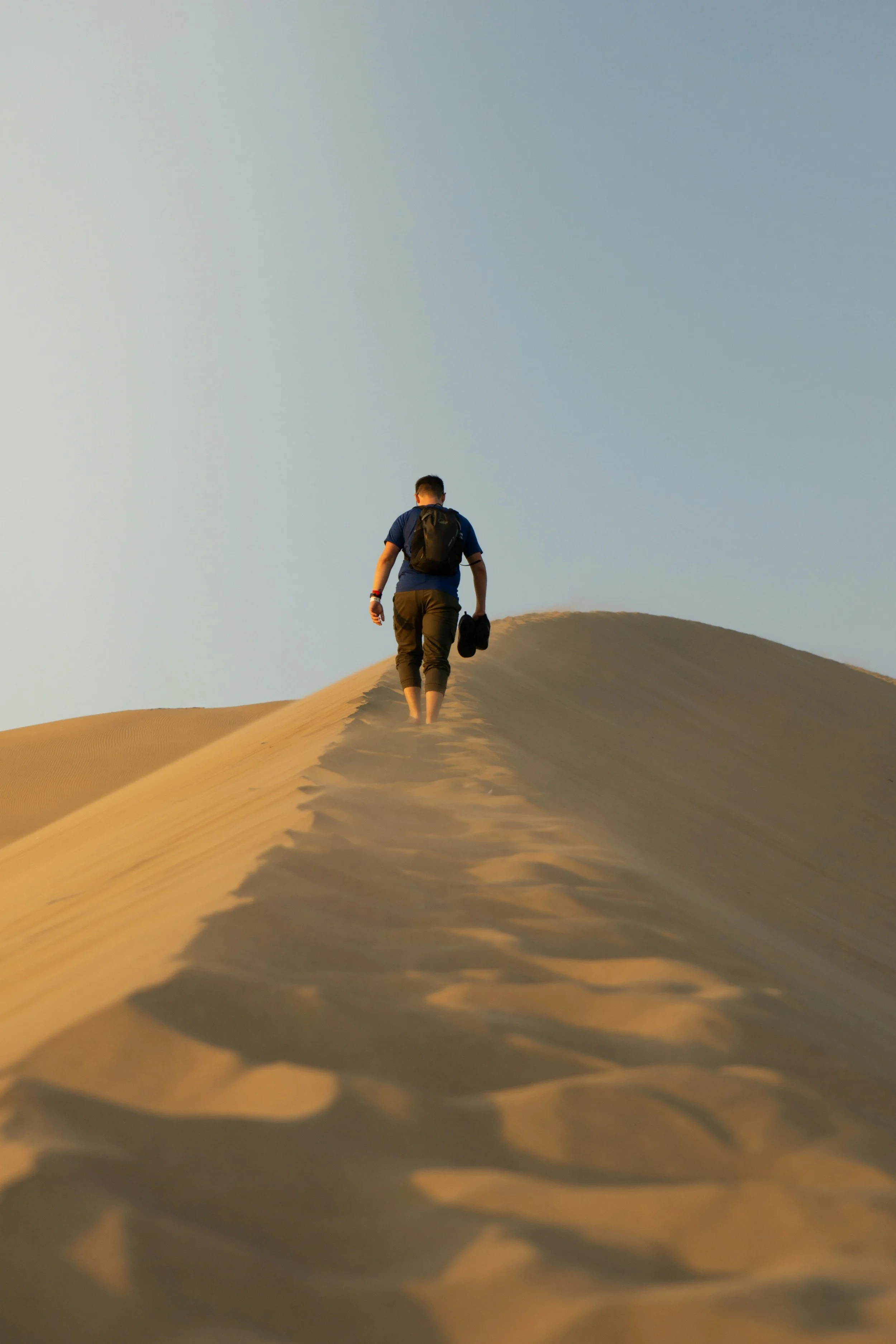
Running on sand is extremely popular in Sydney’s Eastern Suburbs. It can improve lower limb strength, boost cardiovascular fitness, reduce impact on your joints and offer a refreshing change of scenery. But, like any training surface, sand has pros and cons that need to be understood so you can enjoy the benefits without picking up an injury.
This guide explains the evidence behind sand running, how to start safely and the key exercises that help your body tolerate this type of training.
Is Running on Sand Good for You?
Short answer: yes, when used correctly.
Running on soft sand requires more muscular effort and energy than running on firm surfaces. This means it can help build strength in your calves, glutes and stabiliser muscles. It can also improve cardiovascular fitness because the energy cost is higher.
Soft sand reduces peak impact forces on your joints because the surface absorbs more shock. This can be helpful for some injuries. However, the unstable nature of sand increases load on the calves, Achilles and ankle stabilisers, which can lead to soft tissue overload if you progress too quickly.
Benefits of Running on Sand
Stronger Lower Limb Muscles
The unstable surface requires higher muscular demand. Calves, glutes and stabiliser muscles work harder, and research has shown increased calf size in sand runners (Yigit et al., 1998).
2. Improved Cardiovascular Fitness
Running on sand increases energy cost, which challenges the cardiovascular system. Over a six-week period, those who ran on sand significantly improved VO₂ max compared to road runners (Yigit et al., 1998).
3. Lower Peak Impact on Joints
Soft sand reduces impact forces, which can help people who are sensitive to high loads from road running.
4. Mental Variety and Motivation
Training by the ocean feels refreshing and breaks up normal training patterns.
5. Good Speed Transfer to Firm Surfaces
Sand running can improve your performance when you return to grass or road running (Binnie et al., 2013).
Risks and Who Should Be Cautious
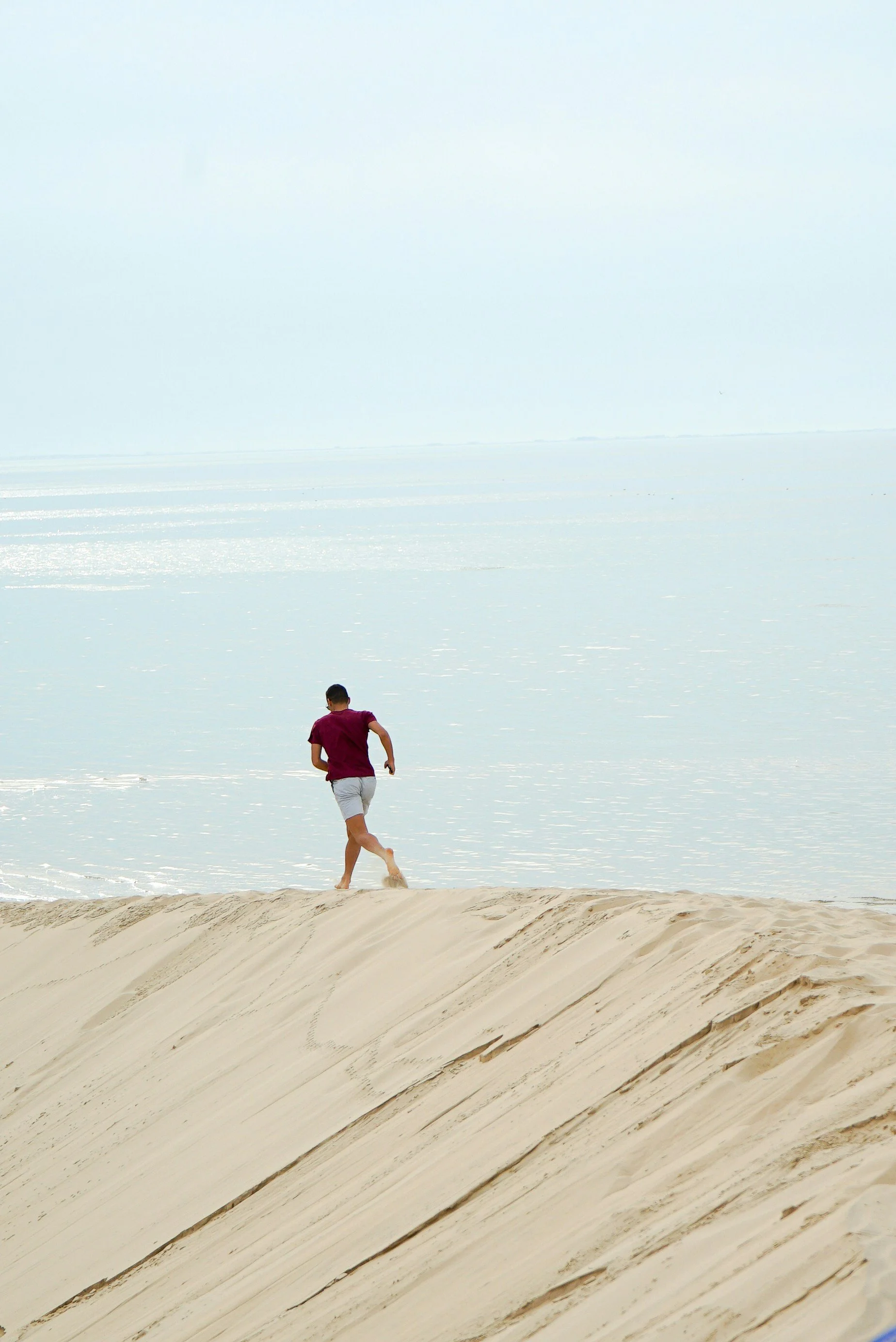
Higher soft tissue load
The joints may feel good, but the unstable surface increases demand on the calves, Achilles tendons and peroneal muscles. This can lead to overuse injuries if load is not controlled.
Uneven terrain
Hidden holes, shells and rocks increase the risk of trips, falls and ankle sprains.
Too much too soon
Suddenly switching from road running to long sessions on soft sand can cause delayed onset muscle soreness or tendon irritation. Slow progression is essential.
People who should be cautious
Those with recent Achilles issues, plantar fasciitis, unstable ankles or any acute injuries should speak to a physio before starting beach running.
Types of Sand: Firm vs Soft
Firm Sand near the Water line
More stable and ideal for beginners. It allows a smoother pace with lower risk.
Soft, Dry Sand
Much more unstable and significantly higher in load. Best used for short sessions, strength-based running or drills.
How to Start Running on Sand Safely
Here is a simple six-step plan.
1. Start with short sessions
Begin with 5 to 10 minutes on firm sand in your warm up. Increase time gradually across 3 to 4 weeks.
2. Mix different surfaces
Alternate between sand, road and trail to help your tissues adapt. Avoid doing every session on sand.
3. Run in both directions
Beaches slope, so running one direction only will load one side of your body more. Change direction to stay balanced.
4. Build strength three times a week
Focus on glutes and calves. Isometric calf work is especially helpful for tendon warm up and regulation.
5. Warm up properly
Ankle mobility, calf isometric holds, single leg balance and light activation drills reduce injury risk.
6. Monitor load and recovery
If calves or Achilles tendons feel sore for several days, reduce your sand running volume.
Footwear tip
-
Footwear tip -
Most people run barefoot on sand, but this reduces stability and increases tendon load. A supportive sneaker offers better ankle control and lowers injury risk.
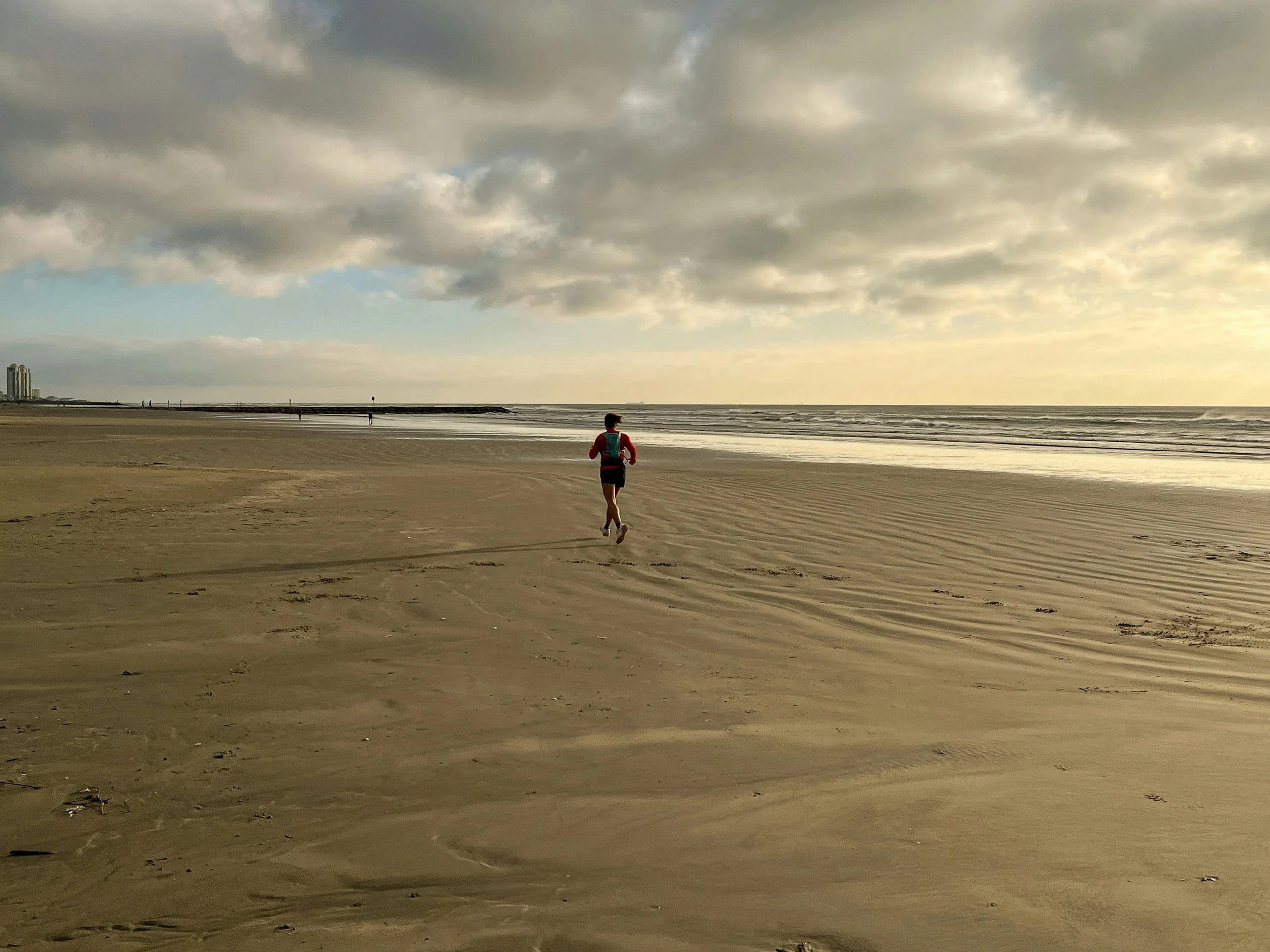
Sample Sand Running Session for Beginners
10 minutes warm up on firm sand:
Easy jog, 2 x 30 seconds single leg balance, 3 x 30 second mid-range calf raise holds (single leg).
10 minutes steady run on firm sand:
Gradually increase pace.
4 x 20 second runs on soft sand:
Walk back as recovery.
10 minute easy walk and stretch.
This might seem short, but it is very easy to overload on sand. Less is more when you are starting out.
Strength Exercises to Prepare for Sand Running
Glute bridges
3 sets of 12. At the top, lift one leg off and keep hips level.
Single leg calf raises
3 sets of 10 each side. Keep the ankles from rolling in or out.
Side leg wall squat
3 sets of 10 each leg. Focus on glute activation and correct knee alignment.
Single leg deadlift
2 sets of 8 each side. Maintain knee and ankle alignment.
Single leg balance practice
Try eyes open and eyes closed.
Achilles-friendly warm up option
If you experience early Achilles tightness, perform mid-range calf holds for 30 seconds x3 on each leg before running.
These exercises help develop stability and strength needed for unstable surfaces.
When to See a Physio
Seek help if you experience:
Persistent knee, hip or ankle pain after beach running
A sharp increase in calf soreness
Recurrent Achilles pain
Difficulty returning to normal training after sand sessions
A physio can assess your mechanics, strength and technique, and build a plan that supports your sand running goals.
Frequently Asked Questions (FAQs)
-
Soft sand reduces peak impact forces, which can feel easier on the knees. However, the instability increases load on other tissues, so progress slowly.
-
Barefoot on firm sand can be fine for short runs. Barefoot on soft sand increases tendon load and risk of cuts. We recommend wearing supportive sneakers.
-
Start with one session a week and increase gradually while monitoring how your calves, feet and Achilles feel.
-
Being hypermobile means your joints already have a lot of range, and your soft tissue is lax. This combined with sand running amplifies the instability. Sand running is something you can do in the future, but you really need to build up to it with adequate strength work to prevent injury. Try our Hypermobility Focused Reformer Classes.
Want Help Adding Sand Running to Your Program?
If you are in Bronte, we can assess your running technique, prescribe the right strength work and design a graded sand running plan.
Call (02) 8970 9166 or book online.
