

Outside Knee Pain Running: Causes, Treatment and How to Get Back to Running
by Shannon Nutt
Photo by Mathias Reding on Unsplash
Outer knee pain when running is common and affects runners of all levels. At Limitless Physio Bronte we see this regularly and help runners identify the cause, reduce their pain and return to safe, confident training.
What is Outside Knee Pain When Running?
Outside knee pain refers to discomfort on the lateral side of the knee that appears during or after running. It is often localised just above or slightly in front of the outer knee bone. Symptoms usually worsen with longer distances, downhill running or increases in speed. Many runners find it becomes strong enough to force them to stop (Hadeed, 2025)
.
Common Causes of Outer Knee Pain
Iliotibial Band Friction Syndrome (ITBFS)
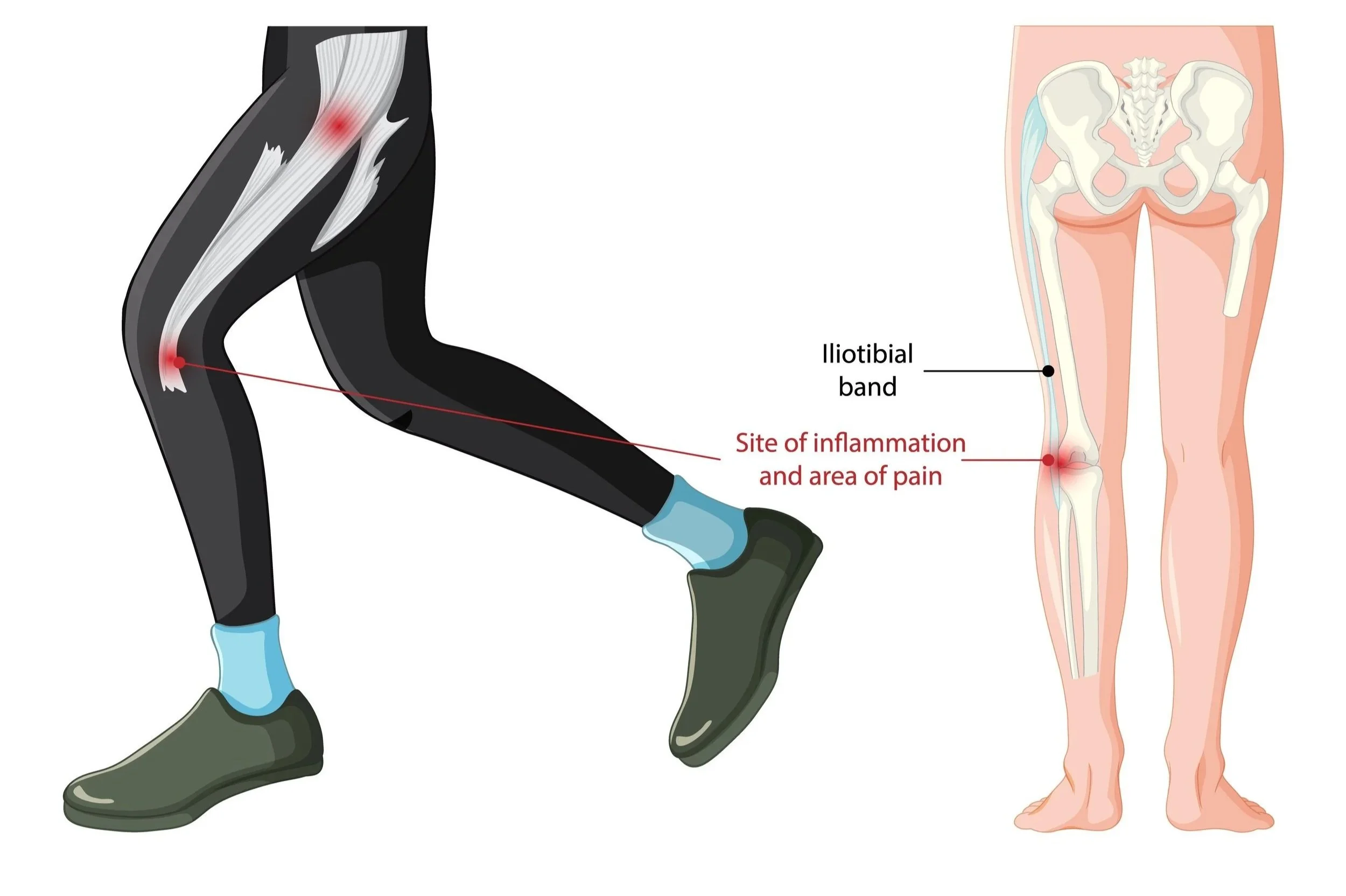
The most common cause of outer knee pain in runners is Iliotibial Band Friction Syndrome. ITBFS affects around 12 to 16 percent of athletes (Friede, 2022). It typically occurs with repetitive knee bending and straightening, which is why it is frequent in distance runners.
ITBFS occurs due to thickening of the ITB near its insertion. When your ITB and TFL become tight, they increase friction over the lateral femoral epicondyle. This can lead to thickened fascia, compression of the fat pad and inflammation of the bursa that sits between the ITB and the epicondyle (Hadeed, 2025).
Other Possible Causes
Sometimes outer knee pain is not due to the ITB and a differential diagnosis is needed.
Lateral meniscus irritation or overload of a previous meniscal tear
Lateral collateral ligament strain (less common in straight-line running)
Referred pain from the hip or lower back
Why ITBFS Occurs
Modifiable Factors
Sudden increases in running load
More hills or downhill running
Running technique that increases load on the outer knee
Running shoes that shift forces laterally
If your glutes are not strong enough to control hip position, your TFL takes over the job. When the TFL overworks, it tightens the ITB, which then increases friction at the knee. This is one of the most common patterns we see in clinic (Friede et al., 2022).
Anatomical Factors
Excessive foot pronation (rolling in)
Bowed legs
Leg length difference that is significant
Quick Self Checks
These quick tests can help you understand if your symptoms match ITB-related outside knee pain.
Does the pain get worse after 10 to 15 minutes of running or with downhill running?
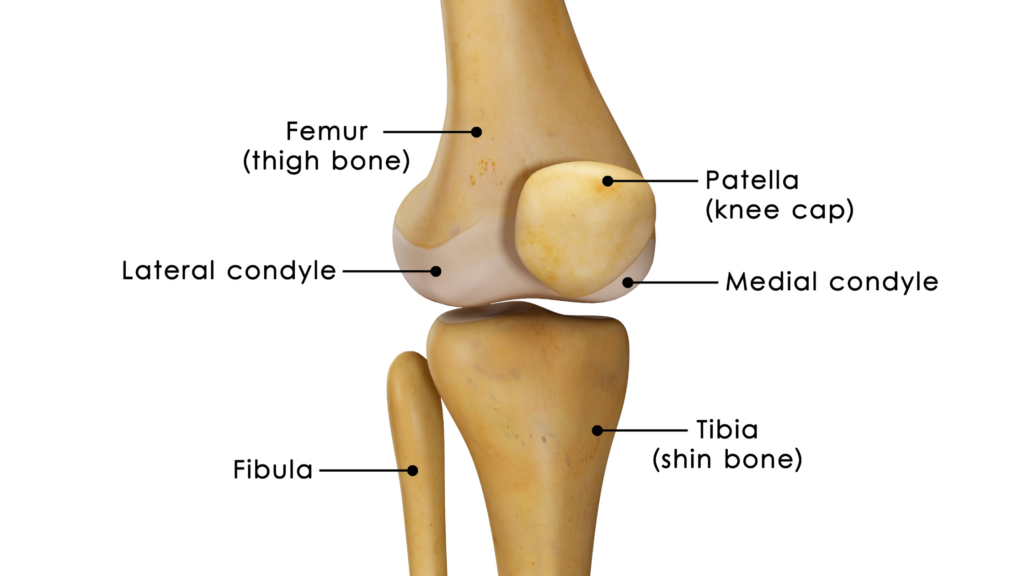
Is there a small, specific tender spot on the outer knee when you press the lateral femoral epicondyle (pictured)?
Do you struggle with single leg balance or feel your hip drops on one side when you stand on one leg?
Immediate Steps To Reduce Pain
Reduce running volume for one to two weeks
Avoid downhill running and speed sessions
Ice after activity
Swap some running for pool running or low impact cardio. Cycling often will flare up ITBFS so withhold from that.
Avoid aggressive ITB stretching and prioritise strengthening instead
How Physiotherapy Helps
At Limitless Physio Bronte your physio will assess your whole lower limb, not just the knee. This includes foot control, ankle mobility, hip strength and pelvic stability.
Your treatment may include:
Load modification to settle inflammation
Dry needling, soft tissue release and joint mobilisation
Mobility work for tight structures
Hip, glute and core strengthening for pelvic stability, as well as full chain strengthening based on what is weak
Clinical Pilates for strength and control
Running technique coaching
A graded return to running program
Since this is a soft tissue irritation, it generally takes 6 to 8 weeks to settle and return to comfortable running. True muscle hypertrophy takes around 12 weeks to build, so continuing rehab beyond the pain free stage is essential for long term results.
Five Evidence-Based Exercises For Outer Knee Pain
These are commonly used in our clinic to address the underlying causes.
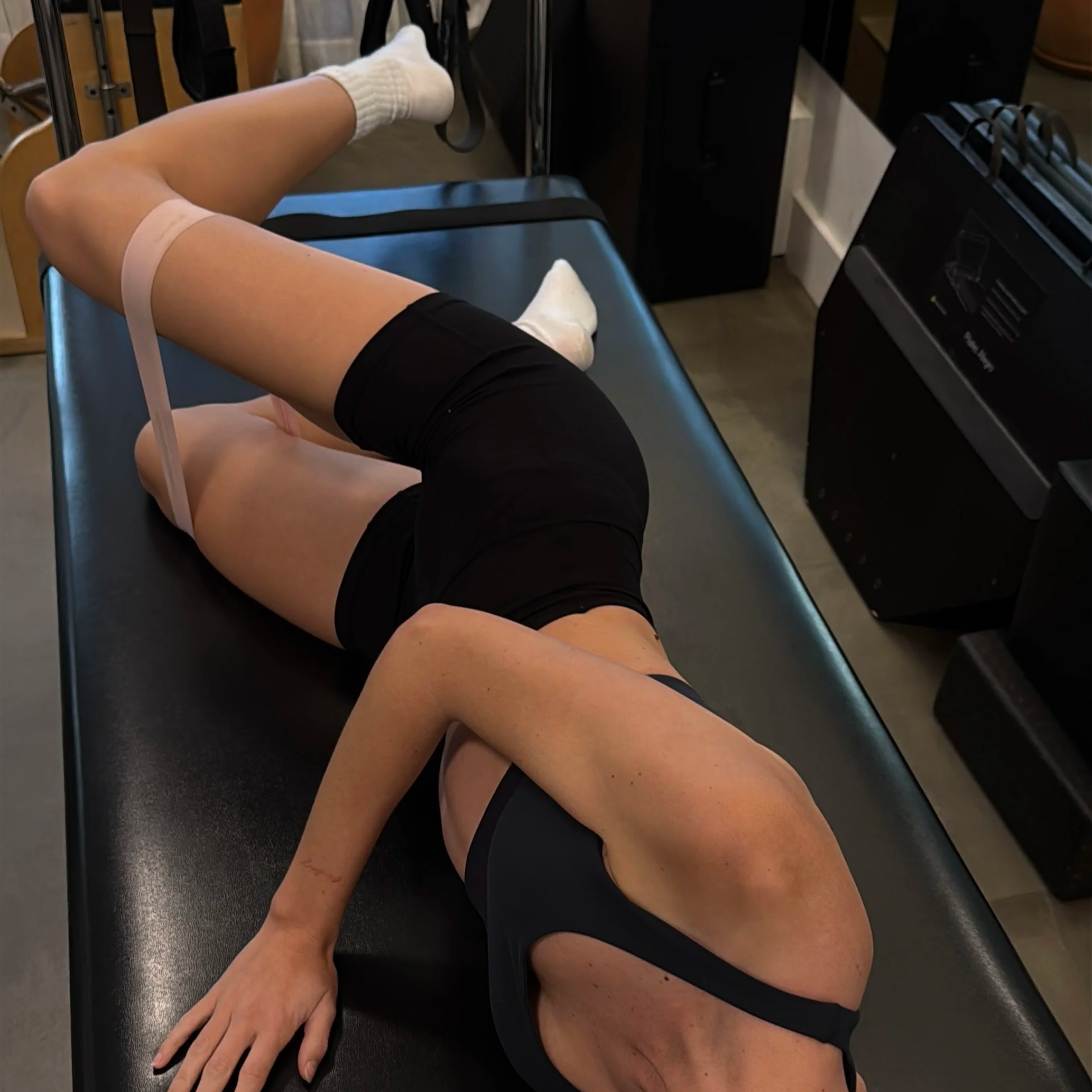
1. Deep hip external rotations and circles
3 sets of 12 each side
How: Lie on your side with your knees bent. Lift your top knee while keeping your hips still. Move into small controlled circles.
Feel: Deep glute activation, not lower back.
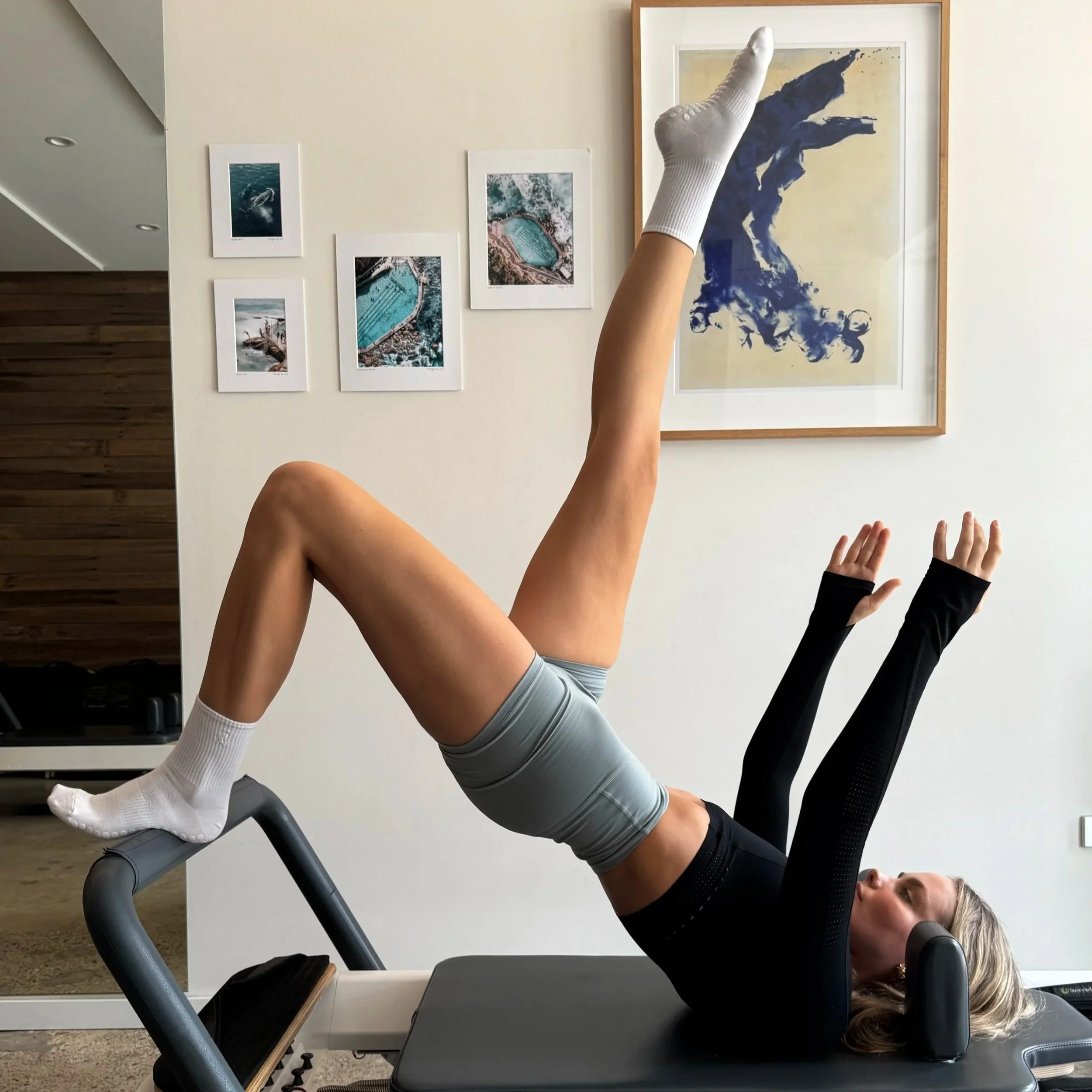
2. Single leg glute bridge
3 sets of 8 each side
How: Lie on your back. Lift your hips using one leg while keeping your pelvis level.
Feel: Strong glute contraction with no hamstring dominance.
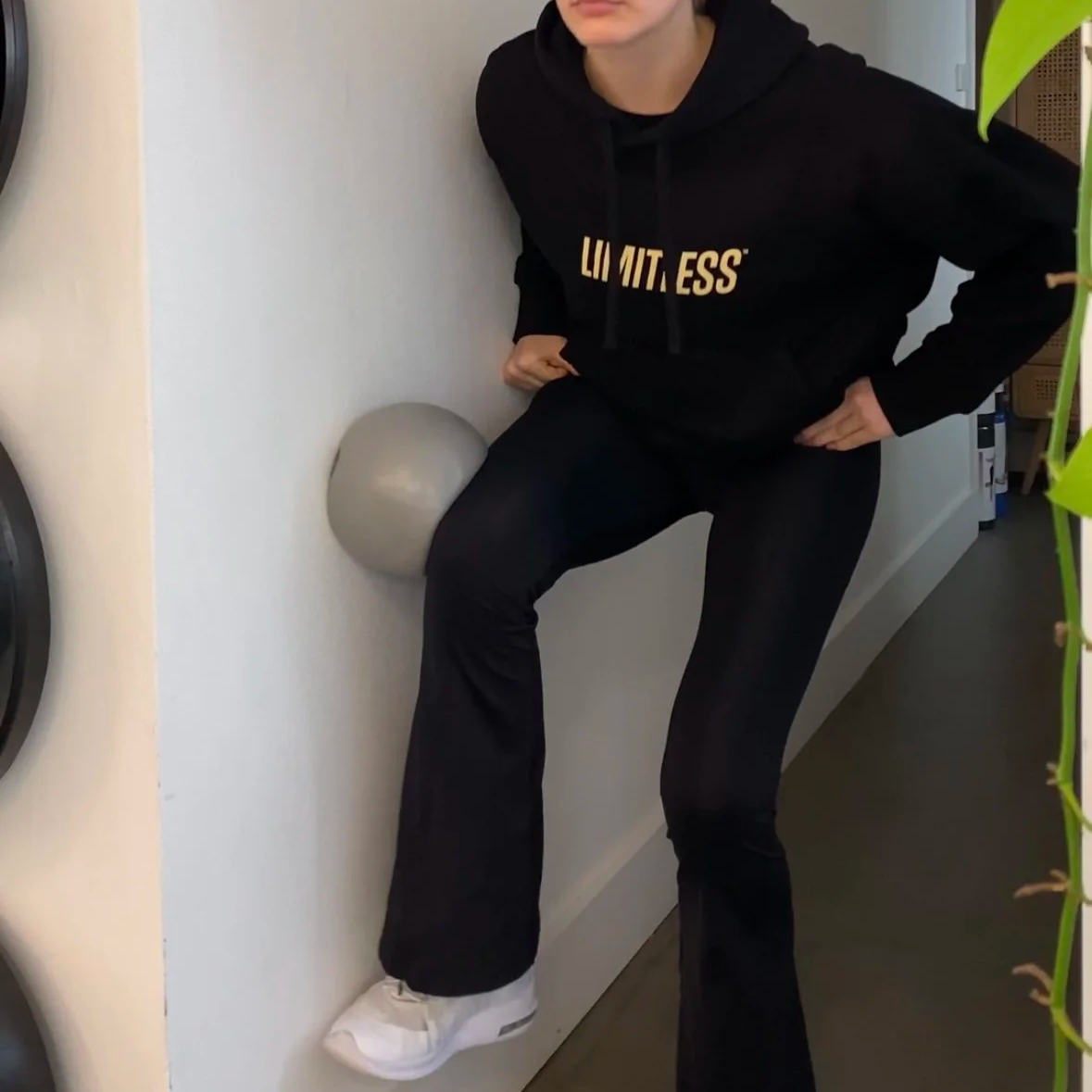
3. One leg wall squat
3 sets of 12 each side
How: Stand with your outer hip against a wall. Slide into a small single leg squat while pressing your knee gently into the wall.
Feel: Outer hip and glute activation, not quads.
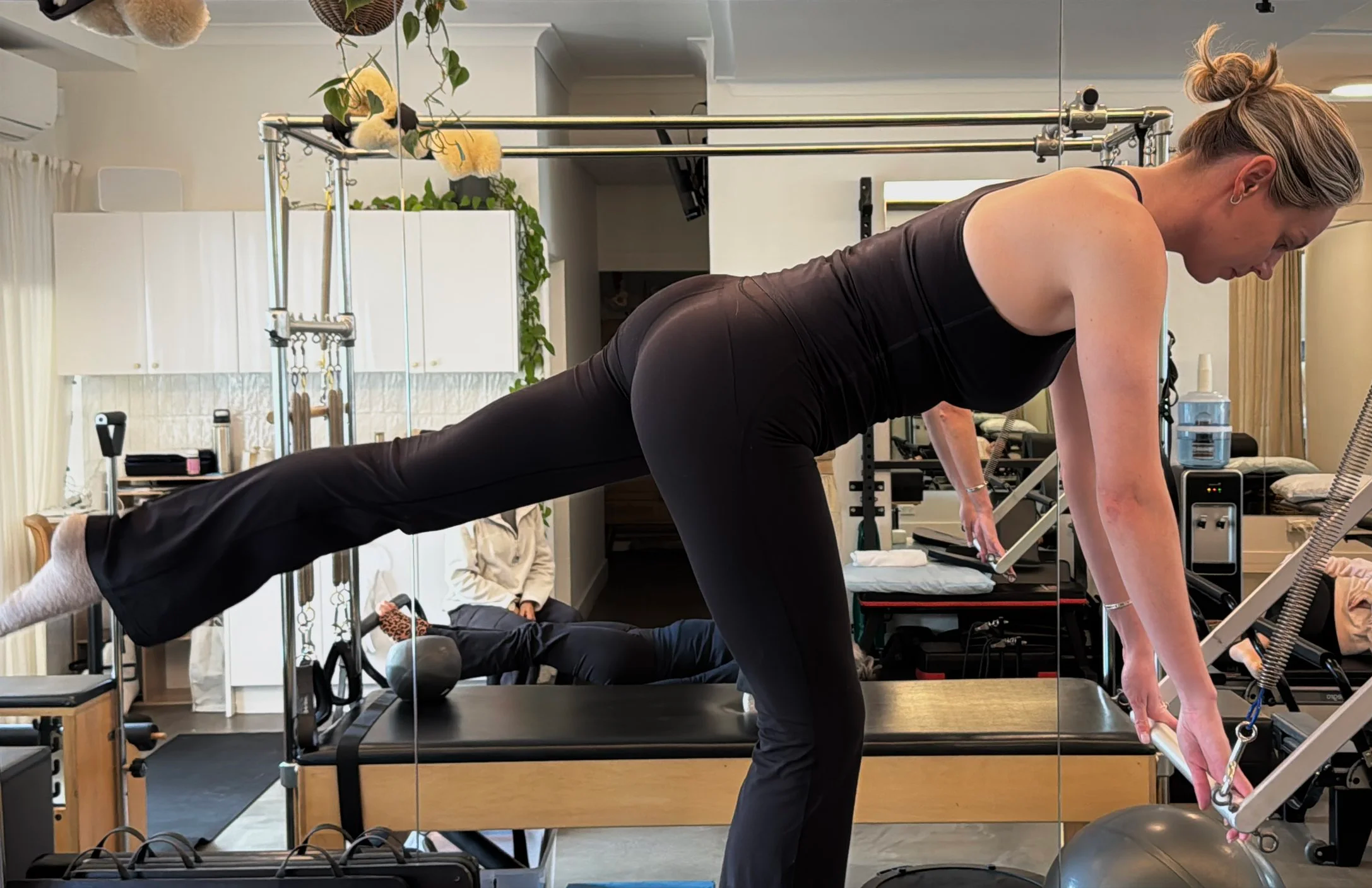
4. Single leg hinge
3 sets of 12 each side
How: Stand tall on one leg. Hinge forward from the hip while your other leg moves behind you. Keep your pelvis square.
Feel: Glutes and hamstrings working with no knee discomfort.
5. Foam rolling the ITB and lateral quadriceps
How: Slowly roll along the outer thigh. Avoid rolling directly on the knee itself.
Feel: Firm pressure and release, not sharp pain.
When To See a Physio
No improvement after two weeks
Locking, catching or swelling
Symptoms that started after a twist or fall
Pain that forces you to stop running
Frequently Asked Questions (FAQs)
-
The quickest way to reduce pain is to offload the irritated tissue. The fastest path to long term improvement is targeted glute strength, technique changes and load management under physio guidance (Friede et al., 2022).
-
Foam rolling can help with short term symptom relief. Long term change relies on strength and improved biomechanics.
-
You can often continue running at a lower volume as long as pain stays mild and does not build during the run. If you try to continue to run through the pain, symptoms are likely to worsen and it will take you longer to recover.
-
Symptoms may settle temporarily with offloading, but the pain often returns if the underlying strength or control issues are not addressed.
-
Weak glutes can be one of the main contributors. When the glutes do not control the pelvis well, the TFL overworks which tightens the ITB and increases load on the outer knee.
Need help from a physio in Bronte?
If you are dealing with outside knee pain running we can assess your mechanics and create a personalised plan to get you back to running safely.
Call (02) 8970 9166 or book online.
